
 English
  Korean
  French
  German
  Hungarian
  Japanese
  Russian
How to Put a Logo on a Bag?
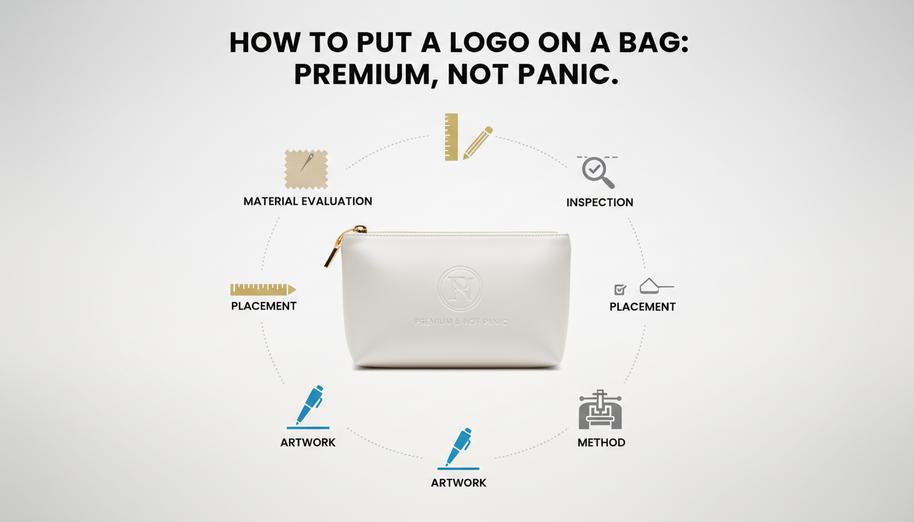
Ever stared at a blank cosmetic bag and thought, how to put a logo on a bag without it looking cheap, crooked, or totally off-brand? You’re not just stamping ink on fabric—you’re signing your name in public. One smudged print or peeling corner, and customers notice. In retail, that’s the difference between “premium” and “meh.”
Bulk orders raise the stakes. A thousand units mean a thousand chances to get it right—or painfully wrong. Fabric fights back. Colors shift. Threads pull. And suddenly your sleek brand vibe looks like it had a rough Monday.
As one Topfeel production manager put it in a 2025 client briefing, “Your logo isn’t decoration. It’s a promise stitched into every seam.”
So before you hit print, you need a game plan—materials, methods, and the pitfalls that can trip up even seasoned buyers.
Key Points for How to Put a Logo on a Bag
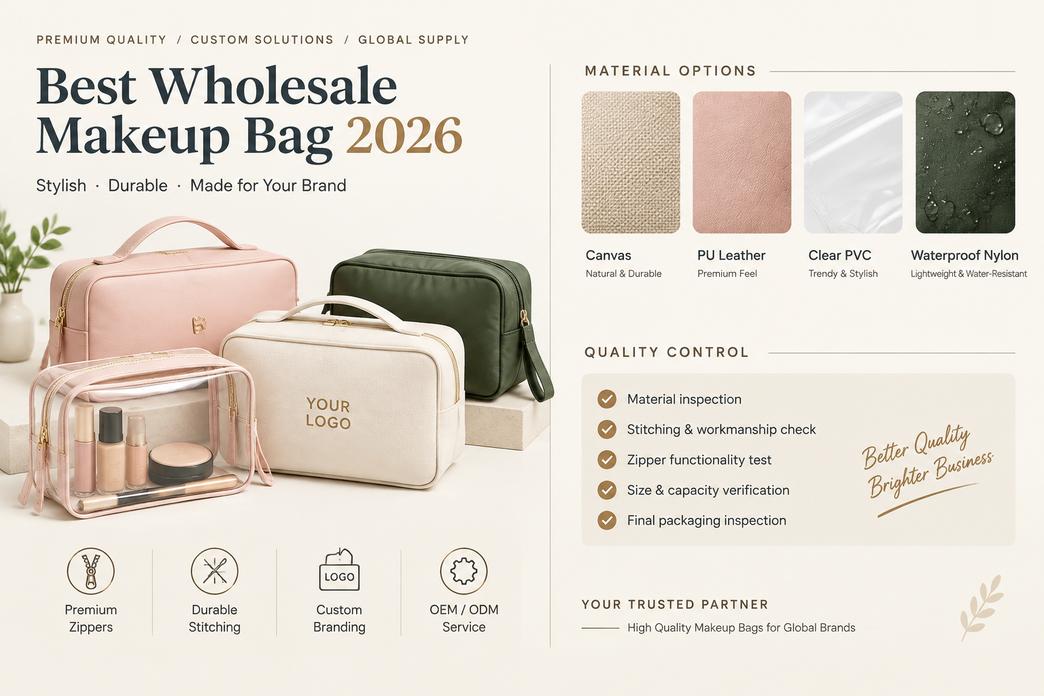
- Evaluate Material: Match canvas, PU leather, or nylon to the right application method.
- Plan Placement: Account for handles, zippers, and pockets to keep the logo visible and balanced.
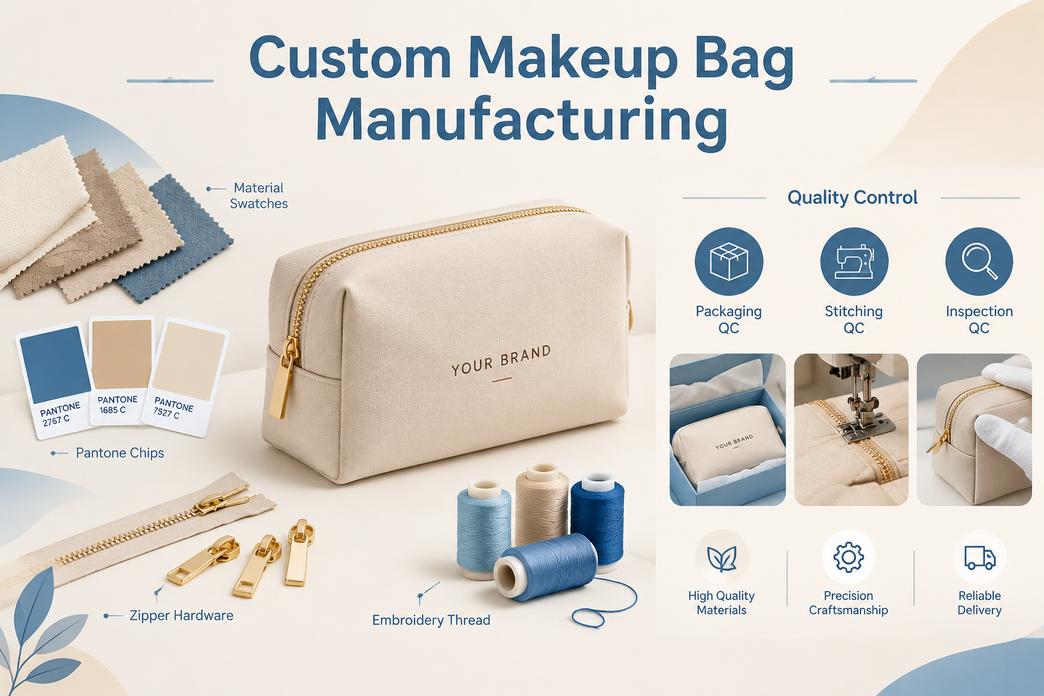
- Prepare Artwork: Vectorize designs and lock in Pantone colors for crisp, scalable results.
- Choose Method: Screen print for polyester, embroidery on canvas, heat transfer for leather, sublimation on nylon.
- Inspect Samples: Prototype and QC every detail before approving bulk production.
5 Simple Steps: How To Put A Logo On A Bag
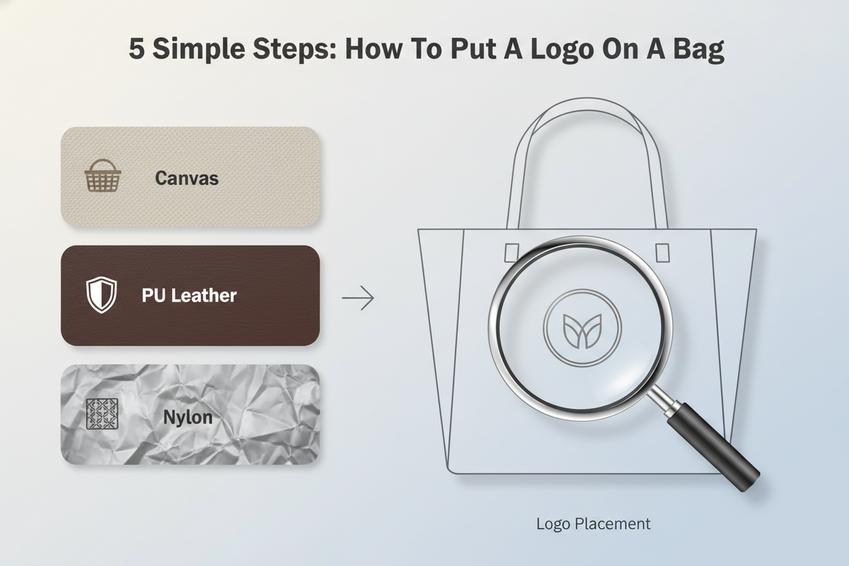
Putting your brand out there sounds simple, but once you start thinking about how to put a logo on a bag, things get real. Material, color, placement—it all matters. If you’re figuring out how to put a logo on a bag that actually looks sharp and lasts, this guide keeps it practical, clear, and brand-focused.
Evaluate your bag type and material (Canvas, PU leather, Nylon)
When learning how to put a logo on a bag, start with the bag material and bag type. The surface decides everything.
- Canvas bag
- Material traits
- Thick weave
- Visible fabric texture
- High stitch tolerance
- Best decoration match
- Embroidery for raised effect
- Screen ink bonding well
- Material traits
- PU leather bag
- Material traits
- Smooth coating
- Moderate heat sensitivity
- Ideal methods
- Heat transfer
- Debossed logo
- Material traits
- Nylon bag
- Material traits
- Lightweight
- Water-resistant
- Works with
- Sublimation
- Flexible screen printing
- Material traits
Understanding material properties helps you decide how to add a logo to a bag without cracking, peeling, or fading.
Plan logo placement with carry handle and interior pocket in mind
Smart logo placement is more than center-front printing. It’s about balance within the full bag design.
- Exterior considerations
- Around the carry handle base
- Away from heavy seams
- Clear of zipper folds
- Structural factors
- Reinforced stitching zones
- Curved surfaces
- Functional elements
- Interior pocket bulk
- Strap attachments
A strong bag layout keeps your design area clean and visible. If you’re serious about how to put a logo on a bag professionally, placement is half the win.
Convert artwork to vector format and match exact Pantone colors
Clean files equal clean results.
- Artwork conversion
- Raster → vector format
- Scalable without blur
- Color control
- Lock exact Pantone colors
- Cross-check color matching on fabric
- File preparation checklist
- Outline fonts
- Separate layers
- Confirm color accuracy
Good digital artwork avoids production drama and keeps branding tight across every batch.
Select the right application method (Screen printing, Embroidery, Heat transfer)
Choosing the right application method shapes durability and feel.
- Screen printing
- Flat graphics
- Works well on polyester
- Embroidery
- Textured logo application
- Premium look on canvas
- Heat transfer
- Detailed graphics
- Clean finish on PU
Each printing technique fits a different story. Brands like Topfeel guide clients through how to put a logo on a bag using the decoration method that matches both budget and vibe.
Oversee prototyping and quality control before bulk production
Before scaling up, test everything.
- Prototyping stage
- Size check
- Stitch alignment
- Logo clarity
- Sample approval
- Compare against original file
- Inspect thread tension
- Production process control
- Random batch checks
- Final inspection under manufacturing standards
If you’re asking how to put a logo on a bag for retail-level sales, this stage protects your brand. Topfeel supports strict quality control and smooth bulk production, making sure your logo on a bag looks just as good on the thousandth unit as it did on the first.
Types Of Bag Printing Methods
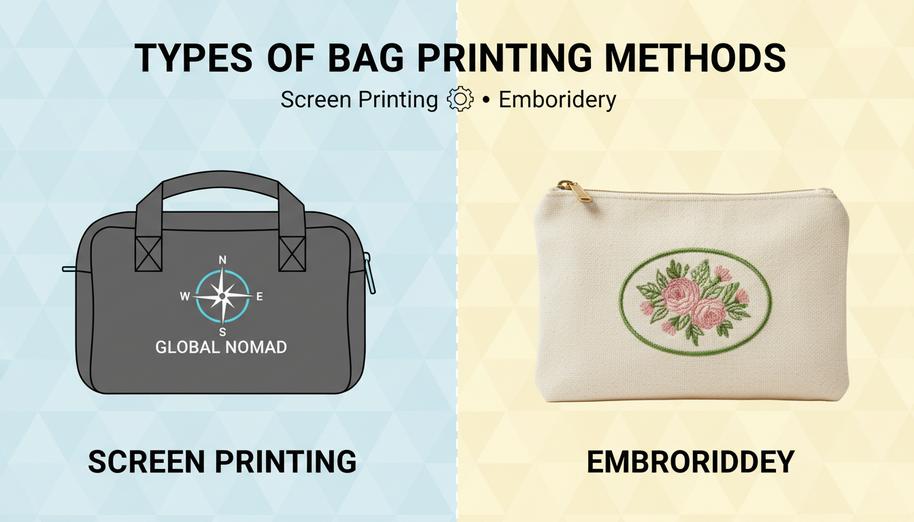
Putting your brand out there starts with knowing how to put a logo on a bag the right way. From fabric texture to heat pressure, each method changes the vibe and durability. If you’ve ever wondered how to put a logo on a bag that actually lasts, this breakdown keeps it real and practical.
Screen Printing on Polyester Travel Kit Bags
When talking about how to put a logo on a bag using screen printing, the material matters.
- Core Material
- Polyester surface tension affects ink adhesion.
- Smooth weave = sharper logo application.
- Production Setup
- Mesh screen count controls detail level.
- Ink viscosity impacts durability.
- Output Quality
- Solid colors pop.
- Bulk runs stay consistent on a travel kit bag.
Performance Data for Screen Printing on Polyester
| Mesh Count | Ink Thickness (µm) | Wash Cycles Tested | Color Retention (%) |
|---|---|---|---|
| 110 | 35 | 20 | 92 |
| 160 | 28 | 30 | 95 |
| 200 | 22 | 40 | 96 |
| 230 | 18 | 50 | 97 |
Short take: if you’re asking how to put a logo on a bag for giveaways, this is cost-friendly and tough.
Embroidery on Canvas Cosmetic Pouches
Adding embroidery changes the whole mood.
- Fabric Base
1.1 Canvas thickness supports high stitch density.
1.2 Reinforced seams protect the cosmetic pouch edges. - Thread Choices
2.1 Polyester thread for moisture control.
2.2 Cotton blends for softer texture. - Design Limits
3.1 High design complexity increases cost.
3.2 Clean logos stitch better than tiny gradients.
Multiple quick notes:
- Textured feel.
- Premium look.
- Strong branding near zippers.
If someone asks how to put a logo on a bag that feels upscale, stitching your brand is a solid move. Topfeel often suggests embroidery for boutique lines that need texture, not just color.
Heat Transfer for PU Leather Makeup Organizers
With heat transfer, detail is the star.
- Surface Prep
- Clean PU leather to improve material compatibility.
- Graphic Layer
- Cut adhesive vinyl precisely.
- Application
- Use calibrated heat press temperature (120–150°C).
- Apply even pressure to the makeup organizer panel.
This method works great when figuring out how to put a logo on a bag made from smooth synthetics. It keeps water-resistant features intact while letting you add sharp, multi-color art. In short: controlled heat, clean finish, sharp brand mark.
Sublimation Graphics on Nylon Toiletry Bags
For bold, all-over design, sublimation is hard to beat.
- Fabric Requirement
- Nylon must include a polyester coating.
- Printing Stage
- Transfer paper carries dye-infused artwork.
- Heat Reaction
- 180–200°C turns ink into gas.
- Result
- Permanent full-color graphics inside the toiletry bag fibers.
According to Smithers’ 2025 digital textile outlook, dye-sublimation demand continues rising due to “its superior wash fastness and color vibrancy in synthetic substrates.”
So if you’re stuck on how to put a logo on a bag with gradients or edge-to-edge prints, sublimation answers that fast.
Debossing Techniques for PVC Vanity Cases
For a clean and quiet brand statement, debossing works differently.
- Tooling
- Custom embossing die shaped to your mark.
- Material Reaction
- PVC softens under controlled heat and pressure.
- Branding Effect
- Indented logo on the vanity case surface.
- Subtle branding without ink.
No flashy color. Just depth.
Brands wanting a minimalist logo placement often choose this when deciding how to put a logo on a bag that feels sleek. Topfeel applies precise pressure control so edges stay crisp and professional.
At the end of the day, mastering how to put a logo on a bag comes down to fabric, finish, and vibe. Pick the method that matches your product story, and your logo won’t just sit there—it’ll stick.
4 Mistakes To Avoid When Branding Bags
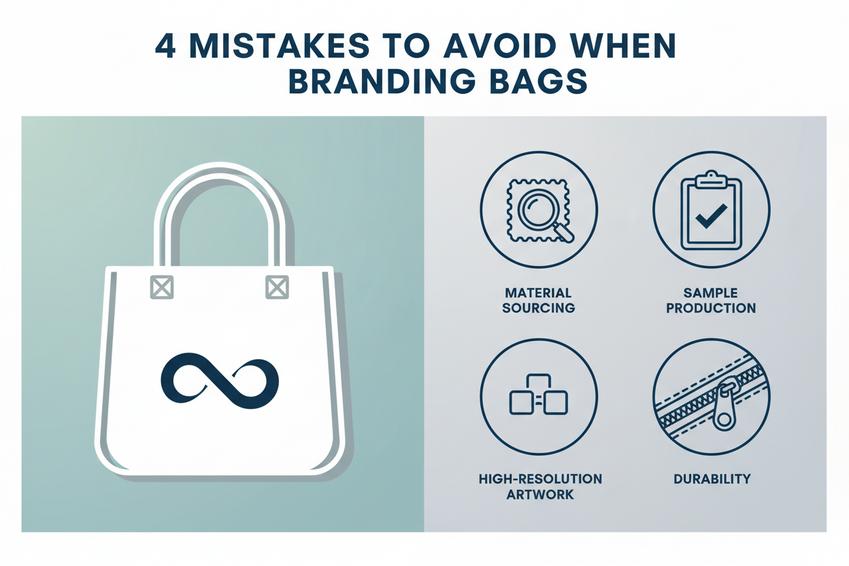
Branding a bag sounds simple, right? Still, many teams slip up when figuring out how to put a logo on a bag that actually lasts. If you’re serious about clean results and zero drama, this is for you.
Neglecting sample production: costly surprises later
When planning how to put a logo on a bag, skipping sample production is risky business. Solid prototyping and tight quality control during pre-production keep costly surprises away and support real design validation.
- Before bulk production
1.1 Confirm logo placement
- Check size, angle, and spacing.
- Test how to put a logo on a bag without distortion.
1.2 Review color accuracy
- Compare digital proof with physical swatch.
- Adjust ink for nylon or canvas bleed.
- During sampling
2.1 Stress-test logo area
- Bend, fold, zip.
- See how the print reacts.
2.2 Evaluate branding method
- Screen print
- Heat transfer
- Embroidery
- After evaluation
3.1 Approve only when structure and logo both pass.
3.2 Document final specs for mass production.
Brands that work with Topfeel usually test twice before confirming how to put a logo on a bag for retail drops.
Overlooking material sourcing and compatibility issues
Getting clear on material sourcing and smart fabric selection changes everything when deciding how to put a logo on a bag.
- Nylon needs inks that bond well.
- Canvas handles screen printing like a champ.
- PU may require heat control to protect surface texture.
- Check material compatibility with your print method.
- Review textile properties like coating or waterproof layers.
- Match branding to bag construction and expected durability.
If you’re adding a brand mark or figuring out how to add a logo to a bag, test adhesion on each fabric batch. Even slight supplier changes can affect how to put a logo on a bag without cracking or peeling.
Using low graphic resolution or improper artwork format
Messy files ruin great bags. Clean graphic resolution and correct artwork format protect logo quality, proper file specifications, and crisp print clarity.
- Artwork preparation
1.1 Use vector graphics for scaling.
1.2 Maintain high image resolution for raster files. - File submission
2.1 Provide AI, EPS, or PDF.
2.2 Outline fonts and embed colors. - Print alignment
3.1 Match Pantone codes.
3.2 Run test print before mass run.
If you’re asking how to put a logo on a bag and want it razor sharp, start with the right files. Topfeel often guides clients through artwork checks before production kicks off.
Forgetting reinforced stitching and secure zipper closure in design
Branding should never weaken bag durability. Strong reinforced stitching, solid zipper closure, dependable hardware quality, and reliable seam strength protect overall bag functionality.
- Logo placement review
1.1 Avoid stitching directly over stress points.
1.2 Keep embroidery clear of zipper tracks. - Structural testing
2.1 Pull-test handles.
2.2 Open and close zippers repeatedly. - Final inspection
3.1 Confirm branding doesn’t block pockets.
3.2 Ensure the bag still feels balanced.
When learning how to put a logo on a bag, think beyond looks. Clean branding plus strong structure wins every time. If you’re serious about how to put a logo on a bag that lasts, structure and style must work together.
FAQs about How To Put A Logo On A Bag
How to put a logo on a bag so it lasts through daily use?
Durability starts with pairing the right material and method:
- Canvas Cosmetic Pouch → Embroidery with reinforced stitching around the zipper closure and carry handle.
- Polyester Travel Kit Bag → Screen Printing for bold color scheme and water resistant performance.
- Nylon Toiletry Bag → Sublimation for fade-resistant graphics.
- PU Leather Makeup Organizer → Heat Transfer or Debossing for a refined finish.
Before bulk sewing begins, confirm:
- ✔ Artwork vectorization for sharp graphic resolution
- ✔ Pantone colors for accurate color matching
- ✔ Sample production to test logo placement near interior pockets
Strong material sourcing and strict quality control keep the logo from cracking, peeling, or fraying under pressure.
What is the best material and printing method combination for bulk orders?
Choosing correctly avoids costly rework during prototyping and sewing.
| Bag Material | Recommended Method | Ideal Bag Type | Key Benefit |
|---|---|---|---|
| Canvas | Embroidery | Cosmetic Pouch | Premium texture, long wear |
| Polyester | Screen Printing | Travel Kit Bag | Vibrant, cost-effective |
| Nylon | Sublimation | Toiletry Bag | Moisture resistance |
| PU Leather | Heat Transfer / Debossing | Makeup Organizer | Clean surface finish |
| PVC | Screen Printing | Vanity Case | Sharp logo contrast |
| Mesh | Woven Label | Travel Organizer | Breathable, lightweight |
Clear size specification and die cutting accuracy ensure the logo sits balanced and professional.
What mistakes ruin branded bags during mass production?
Small oversights create big brand damage.
- Low graphic resolution instead of proper artwork format
- Ignoring Pantone color checks across different materials
- Skipping prototyping before final material sourcing
- Poor logo placement near zipper closure causing distortion
- Weak reinforced stitching after embroidery
A disciplined process—sample production → sewing test → quality control inspection—protects your cosmetic pouch or vanity case from avoidable flaws.
When design elements and manufacturing steps move in sync, the logo feels intentional, not added as an afterthought.
References
- brand vibe – hbr.org/Harvard Business Review
- zippers – ykkfastening.com/YKK
- Pantone colors – pantone.com/Pantone
- vector format – adobe.com/Adobe
- Heat transfer – heatpressnation.com/Heat Press Nation
- Embroidery – thesprucecrafts.com/The Spruce Crafts
- quality control – asq.org/ASQ
- ink adhesion – screenprinting.com/ScreenPrinting
- PU leather – btod.com/BTOD
- Sublimation – epson.com/Epson
- Nylon – masterclass.com/MasterClass
- dye-sublimation demand – smithers.com/Smithers
- debossing – printingforless.com/Printing For Less
- PVC – bpf.co.uk/British Plastics Federation
- hardware quality – sgs.com/SGS


.png)



4th-5th Floor, Building B2, Yin Tian Industrial Park, Xi Xiang Road, Bao'an Dist, Shenzhen, 518102 ,China