
 English
  Korean
  French
  German
  Hungarian
  Japanese
  Russian
How to Sew a Professional Makeup Bag Tutorial?
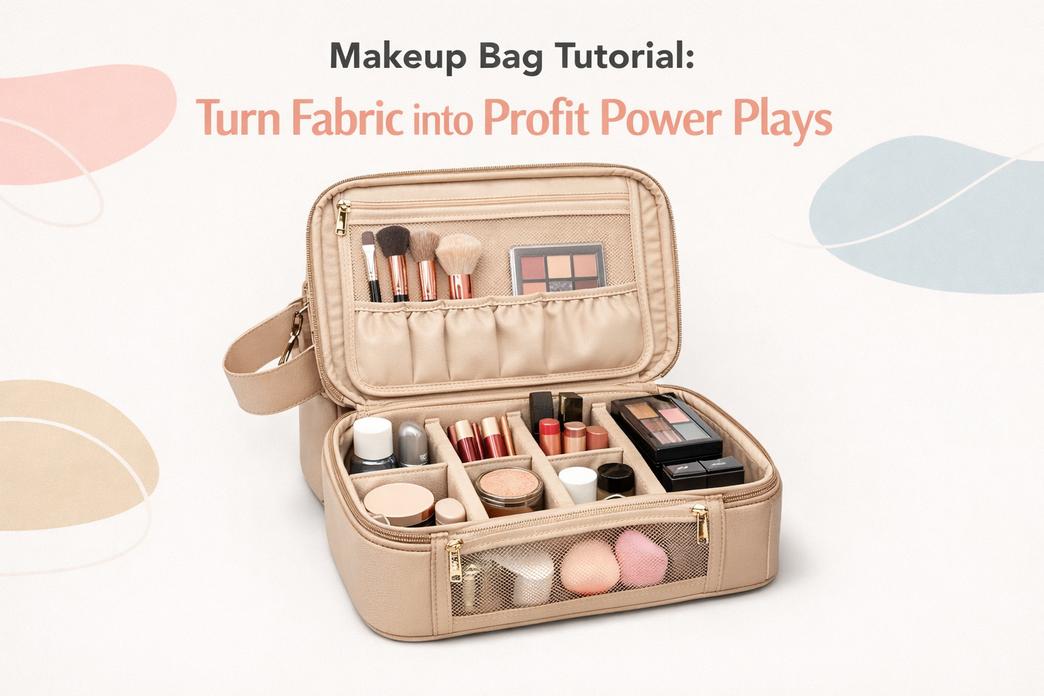
This makeup bag tutorial isn’t just about stitching fabric together—it’s about building a product that carries a brand’s reputation in every zipper pull. A flimsy bag says “last minute.” A structured, water-resistant beauty case says, “We came prepared.” In bulk buying, details aren’t cute extras; they’re the whole ballgame.
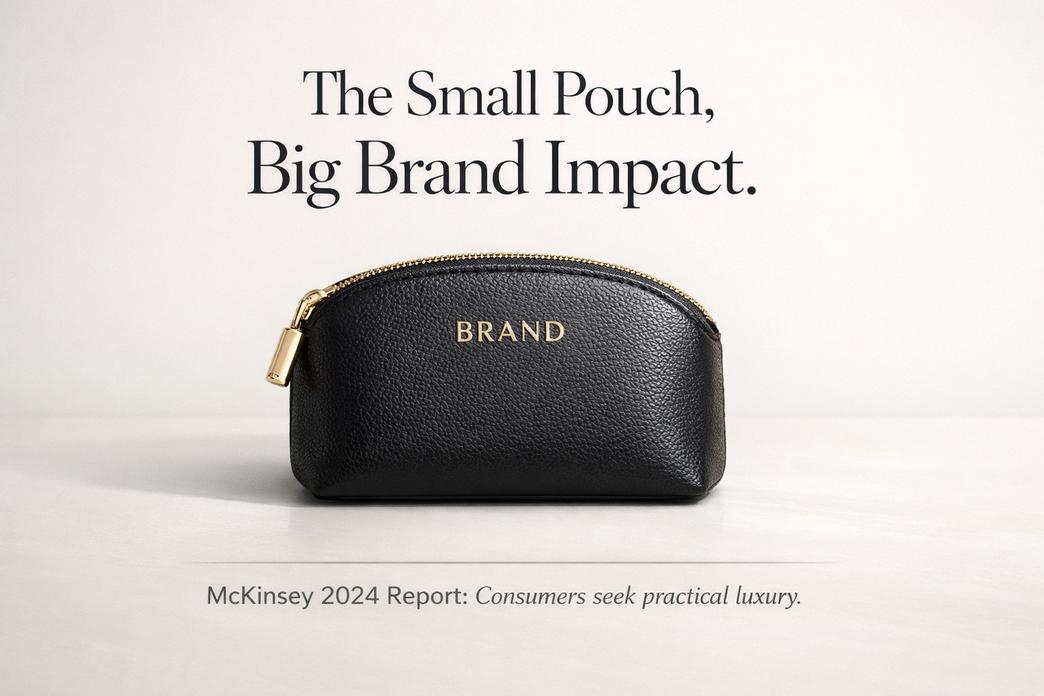
The global beauty market retail sales reached $446 billion in 2023, and McKinsey’s 2025 outlook says brands are now under more pressure to prove value, differentiation, and product quality. Packaging and accessories ride that wave, too. As retail teams know, presentation shapes perception—and a well-made cosmetic bag helps carry that message. (mckinsey.com)
So here’s the backstage pass: how smart material choices, reinforced seams, and polished finishes turn a simple pouch into a retail-ready asset. Because when your logo lands on that bag, it shouldn’t whisper. It should speak up.
Melodic Guide: makeup bag tutorial Essentials
➔ Choose durable, water-resistant materials like PU leather and polyester blend for a professional finish.
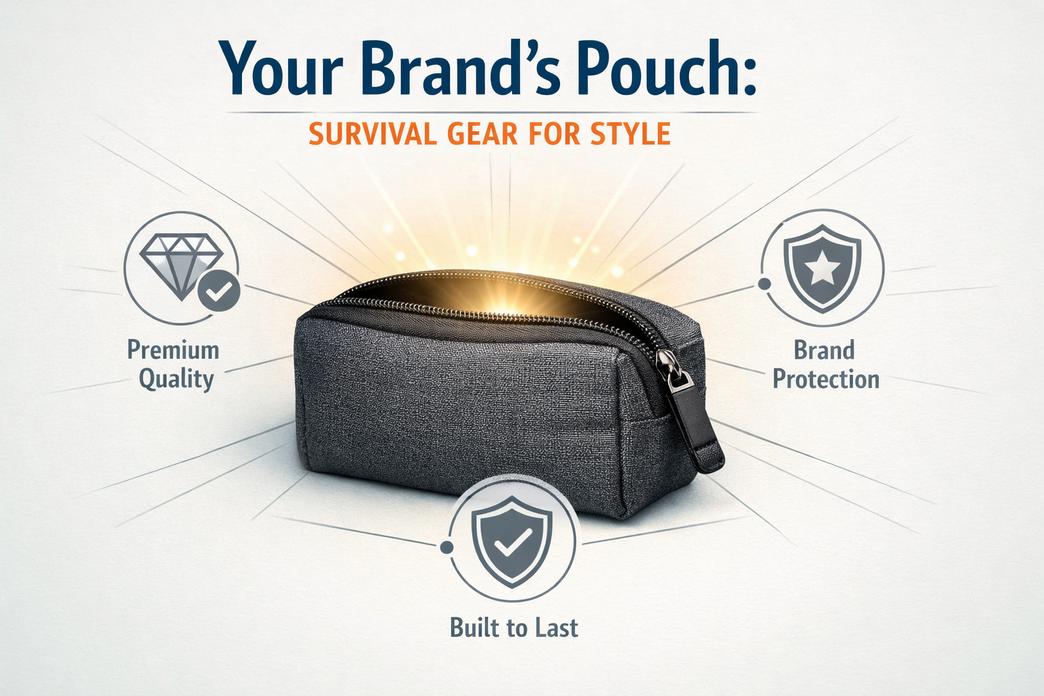
➔ Reinforce seams and use quality zippers to ensure spill-resistant, long-lasting use.
➔ Incorporate removable dividers and brush holders for customizable organization.
➔ Decide between a slim or wide base to match travel-friendly needs or large-capacity requirements.
➔ Offer logo printing, color options, and hardware finishes to elevate brand perception.
Materials Checklist: What You Need for Makeup Bag Tutorial
Creating a solid makeup bag tutorial starts with smart material choices. If you’re planning a makeup bag DIY or refining a cosmetic pouch guide, this makeup bag tutorial breaks down the essentials in a friendly, no-fuss way—so your makeup bag design actually lasts.
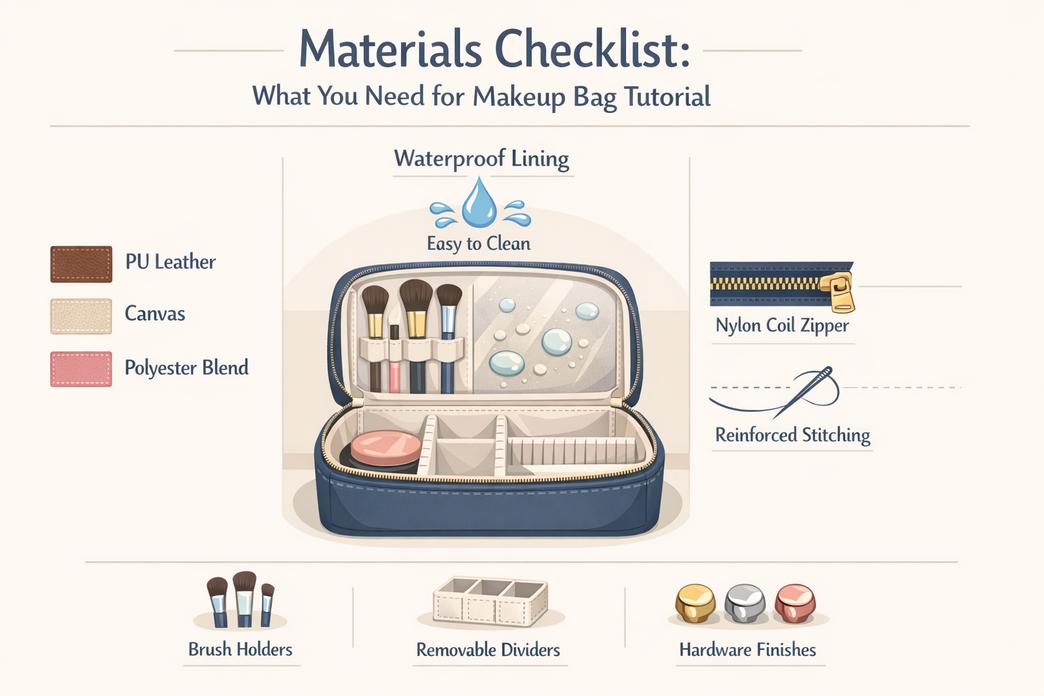
PU leather, canvas & polyester blend essentials
When building the outer shell for your makeup bag tutorial, fabric choice sets the vibe and durability.
- Exterior fabric selection
- PU leather
- Smooth texture with easy wipe-clean care
- Strong durability for travel makeup bag tutorial projects
- Medium fabric weight keeps structure without stiffness
- Canvas
- Breathable canvas base with natural grain
- Heavier fabric weight adds body
- Works well as structured exterior fabric
- Polyester blend
- Flexible polyester blend for soft curves
- Resists wrinkles in daily cosmetic bag tutorial use
- PU leather
- Matching material to function
- Travel-friendly makeup bag → lightweight polyester blend
- Luxury makeup pouch tutorial → sleek PU leather
- Casual everyday bag → durable canvas
Topfeel often combines PU leather with reinforced exterior fabric layering, giving your makeup bag tutorial project that pro finish without overcomplicating things.
Selecting waterproof lining and spill-resistant fabrics
A good makeup bag tutorial never skips lining. Spills happen. Lip gloss leaks. It’s real life.
Here’s what works:
- Waterproof lining with a clear moisture barrier
- Smooth nylon that’s tough yet flexible
- Glossy vinyl for max spill control
Look for an interior fabric that’s truly easy to clean. Run your hand across it. If it feels slightly coated, that’s usually a sign of solid spill-resistant fabric protection. For projects that need stronger moisture defense, waterproof fabrics such as vinyl-coated or laminated materials create a more complete barrier than standard water-resistant finishes. (sailrite.com)
Quick checklist for your cosmetic bag tutorial:
- Test with a drop of water.
- Wipe with tissue.
- Check for stains.
Topfeel uses layered waterproof lining inside many makeup bag designs, which makes any makeup bag tutorial feel a lot more premium and practical.
Zipper closure types and reinforced stitching supplies
A zipper can make or break your makeup bag tutorial.
- Zipper closure options
- Nylon coil zipper closure
- Flexible zipper teeth
- Smooth glide for curved openings
- Metal zipper
- Strong zipper teeth
- Adds weight and luxe feel
- Nylon coil zipper closure
- Technical considerations
- Match zipper length to bag width exactly
- Use heavy-duty thread for stress areas
- Increase stitch density near corners
- Equipment matters
- Reliable sewing machine with steady tension
- Double-pass reinforced stitching at zipper ends
For a makeup bag DIY that lasts, reinforced seams are non-negotiable. Coats notes that corespun and filament sewing threads are commonly chosen where high seam strength is required, which supports the use of stronger thread in zipper and corner stress zones. Topfeel also builds around tight stitch density and durable zipper closure systems, helping your makeup bag tutorial stand up to daily toss-and-go use. (coats.com)
Brush holders, removable dividers & hardware finishes
Organization takes your makeup bag tutorial from basic to seriously functional.
Think inside the bag:
- Slim brush holders stitched along the wall
- Adjustable removable dividers for flexible storage
- Snug elastic loops for eyeliner or lip pencils
Add smart fasteners:
- Velcro straps for quick changes
- Metal snaps for secure closures
And don’t forget the outside. Subtle hardware finishes—matte gold, silver, or coated black—shift the whole look. Small metal feet on the base keep your cosmetic pouch guide project cleaner on bathroom counters.
When these details come together, your makeup bag tutorial feels thoughtful, not thrown together. With Topfeel’s approach to layout and finishing, even a simple makeup bag design turns into something customers actually love to use.
5 Steps to Cut Perfect Bag Pieces
Getting into a solid makeup bag tutorial means starting with clean cuts and smart planning. In this makeup bag guide, every fabric choice shapes the final vibe. If you’re following a DIY makeup bag tutorial, these cutting methods keep things neat, travel-ready, and totally pro.
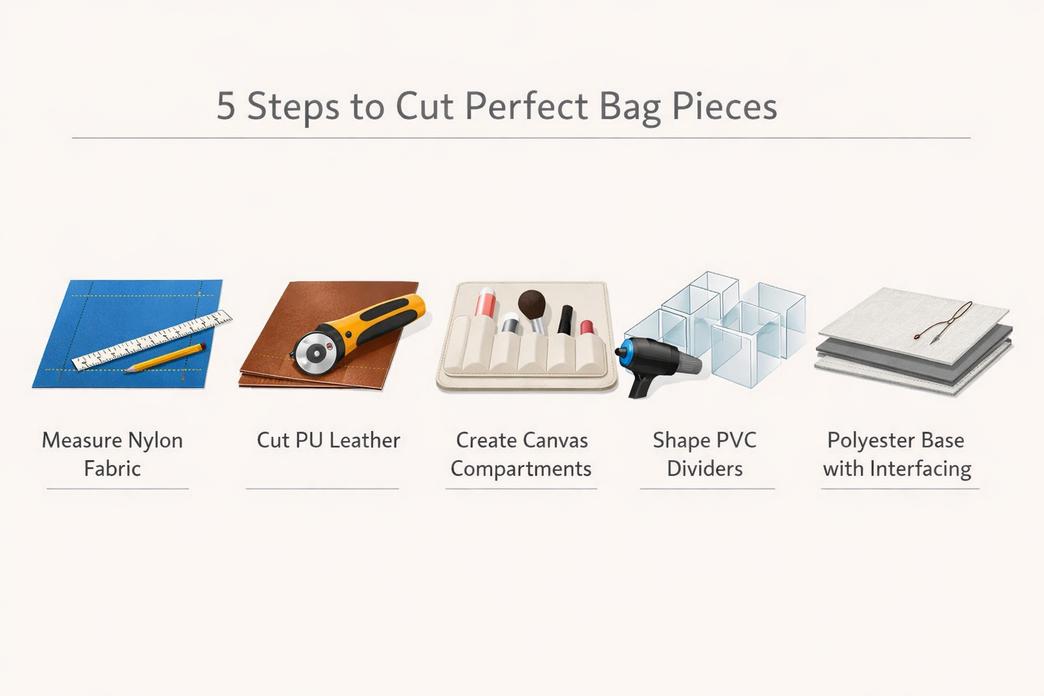
Marking travel-friendly dimensions on nylon fabric
When planning size in a makeup bag tutorial, accuracy saves headaches later.
- Tools you’ll need:
- nylon fabric laid flat on a cutting mat
- Clear measurement marks using a fabric ruler
- A visible marking tool for crisp straight lines
- Dimension planning
- Define compact outer dimensions for travel.
- Allow depth for brushes and bottles.
- Double-check alignment before trimming.
Clean markings on nylon fabric make the rest of this makeup bag project flow smoothly.
Precision cutting of PU leather panels
Cutting PU leather needs focus.
- Preparation
- Secure panels with clips.
- Align a cutting guide for accurate shapes.
- Cutting approach
- Use a rotary cutter for long edges.
- Switch to sharp scissors for curves.
- Keep pressure steady for real precision cutting.
Clean, even panel edges matter because visible edge quality is one of the first signals buyers notice in small travel goods and giftable packaging. That’s exactly why sharp lines on PU leather matter in any serious makeup bag tutorial.
Crafting multiple compartments with canvas material
Internal structure turns a basic pouch into a practical makeup bag tutorial win.
- Layout planning
- Sketch a sewing pattern.
- Divide canvas material into measured fabric pieces.
- Compartment design
- Small internal pockets for lipsticks.
- Wider dividers for palettes.
- Balanced layout design for easy grab-and-go.
Neat compartments keep your makeup bag project organized without bulk.
Shaping removable dividers from PVC plastic
Flexibility is key in a smart makeup bag guide.
- Divider construction
- Trace a cutting template onto PVC plastic.
- Cut clean lines from sturdy plastic sheets.
- Finishing details
- Smooth edges with light edge finishing.
- Test fit as removable dividers.
- Adjust for customizable inserts.
Good flexible material lets users switch layouts anytime.
Preparing polyester blend base for assembly
The base holds everything together.
- Foundation prep
- Cut polyester blend to match the bag base outline.
- Add interfacing beneath stress zones.
- Reinforcement strategy
- Insert a firm stabilizer layer.
- Strengthen corners with extra reinforcement stitching.
- Check full fabric preparation before stitching.
A steady bag base ensures smooth assembly readiness, wrapping up this makeup bag tutorial with confidence.
How to Sew a Makeup Bag Tutorial: Zipper Insertion
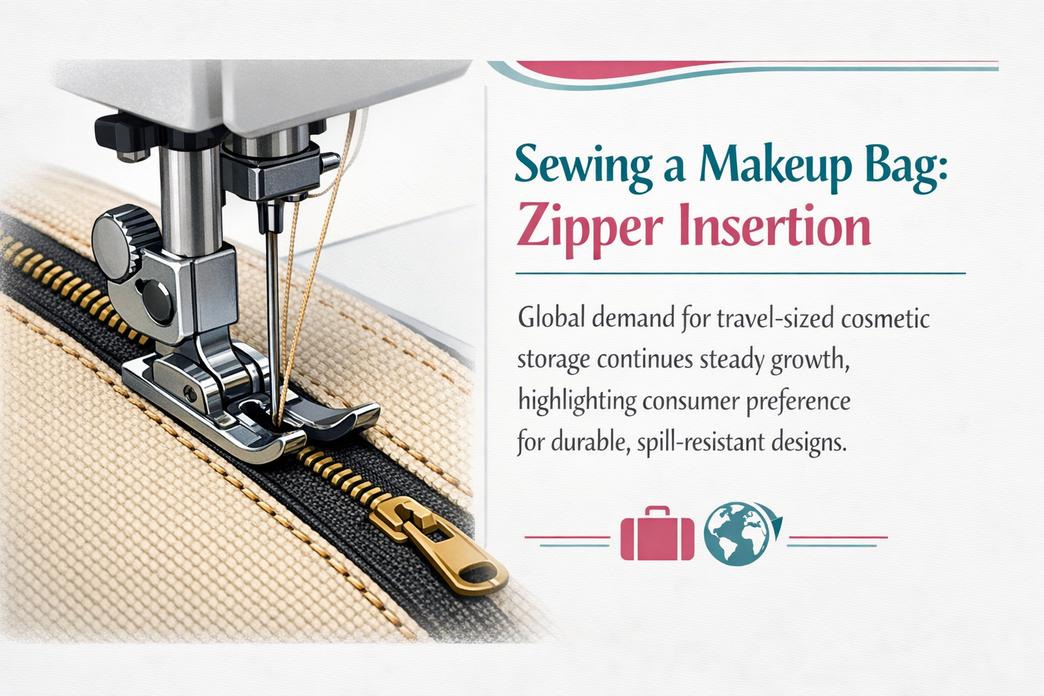
If you’re following this makeup bag tutorial, this is where your project starts to feel real. Adding a zipper can look tricky, but relax—it’s just fabric, thread, and patience. In this makeup bag tutorial, we’ll walk through the details that turn a simple makeup bag into something polished and store-ready.
Aligning the zipper closure with canvas material
Getting the zipper tape lined up with your canvas fabric sets the tone for the entire makeup bag tutorial. Clean alignment keeps the bag opening smooth and neat.
- Prepare the base
- Lay the canvas fabric right side up.
- Mark the seam allowance using fabric chalk for clear marking.
- Position the zipper
- Place the zipper tape face down along the top edge.
- Match raw edges carefully before pinning.
- Secure before sewing
- Check that the teeth sit just inside the seam line.
- Use a straight stitch test line on scrap fabric to confirm tension.
A quick check helps:
- Are both sides evenly aligned?
- Is the seam allowance consistent?
- Does the zipper slide without catching fabric?
Topfeel recommends double-checking alignment before stitching—small shifts now can mess up the whole makeup bag guide later.
Sewing reinforced stitching for a spill-resistant finish
A makeup pouch tutorial isn’t complete without durability. This is where reinforced stitching and smart layering matter.
- Inner protection
- Attach a waterproof lining behind the canvas.
- Apply light seam sealing along high-stress areas.
- Stitch strength
- Use durable thread matched to fabric weight.
- Sew a base seam, then add topstitching 2–3 mm from the edge.
- For added hold, run a narrow zig-zag stitch inside the seam.
For heavier cosmetic loads, repeat the stitch line at stress points near zipper ends. That’s how you get closer to a leak-proof result.
Beauty brands are under growing pressure to prove product value and durability, not just looks, as the category matures and consumers become more selective.
Brands like Topfeel focus on reinforced seams because real users toss makeup bags into totes without thinking twice. Coats also notes that seam strength, thread tenacity, elongation, and the right thread construction all affect whether seams stay secure under repeated use. Your handmade version should handle that same chaos. (mckinsey.com)
Finishing edges and testing smooth zipper movement
Clean finishing makes your makeup bag tutorial look pro, not homemade.
- Edge control
- Trim threads.
- Apply bias tape for tidy edge finishing.
- Turning and shaping
- Carefully start turning right side out through the zipper opening.
- Push corners gently for defined edges.
- Functional check
- Pull the zipper pull back and forth at least five times.
- Feel for smooth operation without fabric drag.
- Conduct a final final inspection for neat edges and symmetry.
If the zipper glides easily and seams lie flat, you nailed this makeup bag tutorial. A solid makeup bag guide isn’t about fancy tricks—it’s about steady hands, smart stitching, and testing before calling it done.
Slim vs. Wide Base: Which Suits You?
Picking the right base can totally change how your makeup bag tutorial turns out. Some people want light and quick. Others need space for everything. In this makeup bag tutorial, we break down slim and wide options so your makeup bag guide actually fits real life.
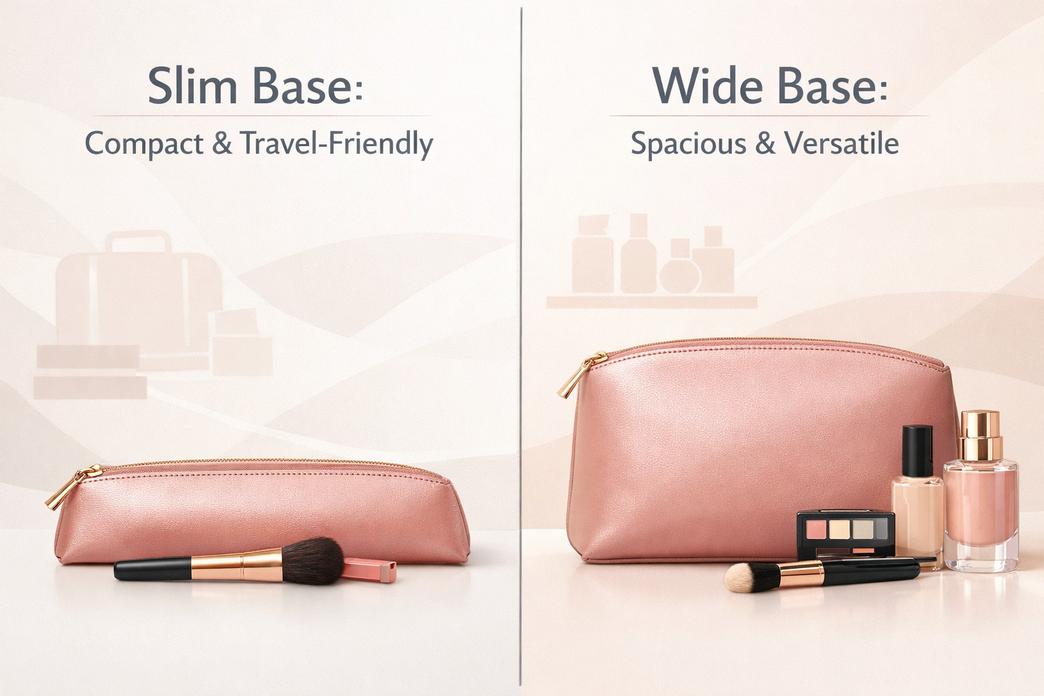
Slim Base
A slim base works best when your makeup bag tutorial focuses on speed and simplicity. It’s all about keeping things tight and smart.
- Core Benefits
- compact size
- fits into carry-ons
- slides into tote corners
- travel-friendly shape
- airport ready
- gym locker friendly
- minimalist layout
- fewer products
- cleaner routine
- compact size
- Design Highlights
- sleek design that looks sharp on a vanity
- organized storage with narrow compartments
- easy to carry handle or wrist strap
For quick makeup bag organization tutorials, this style keeps your daily basics—foundation, lip tint, mini palette—right where you need them. Topfeel designs its slim base line for students, commuters, and promo events where light packing matters.
Consumers still value convenience, portability, and practical product performance, even as beauty spending becomes more selective and value conscious. (mckinsey.com)
If your makeup bag tutorial is about efficiency, slim just makes sense.
Wide Base
Now, if your makeup bag tutorial leans toward full glam or pro kits, a wide base feels like a game changer.
- spacious interior that actually breathes
- larger capacity for palettes and tools
- holds more items without cramming
- Set it flat. It stays stable on surfaces.
- Open fully for easy access.
- Sort by zones for versatile use.
This type shines in detailed makeup bag guides and beauty bag tutorials aimed at artists. Topfeel offers wide base options built for retail display and backstage chaos alike. When your makeup bag tutorial includes brushes, contour kits, and backup shades, going wide simply saves time and stress.
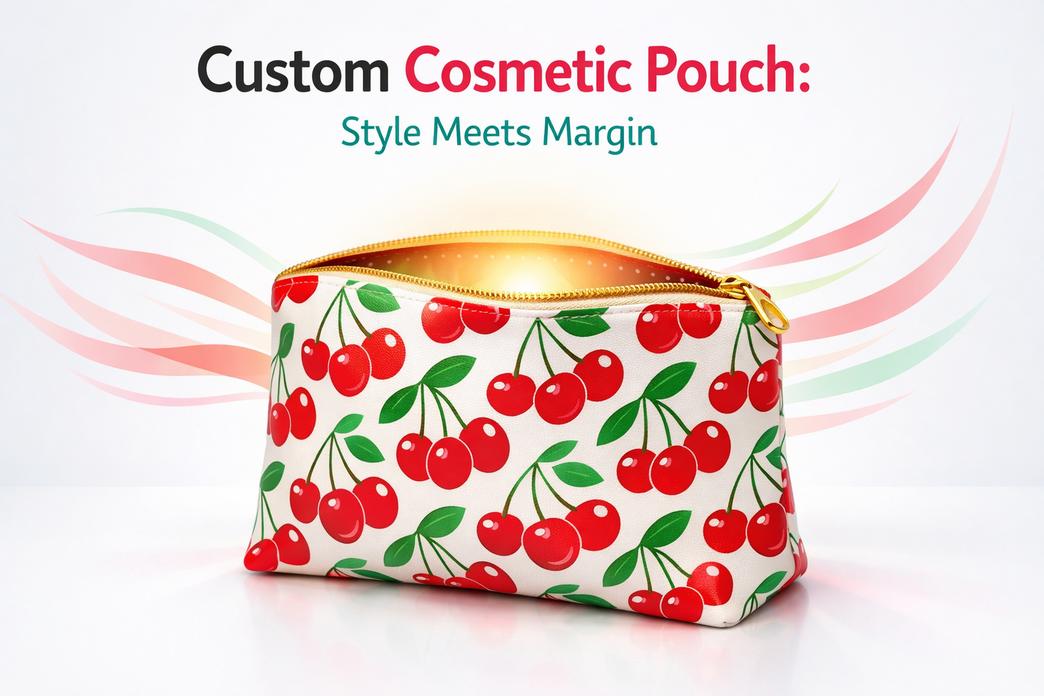
Custom Cosmetic Bag Demand—Why Quality Matters
Choosing the right cosmetic bag is not just about storage; it shapes how a brand is seen and remembered. In every makeup bag tutorial, the focus often lands on function, but behind that sits smart manufacturing and sharp design. From a basic makeup bag guide to a full makeup bag tutorial, quality changes everything. Let’s break it down in a real-world way.
Retail product packaging needs for beauty brands
A solid makeup bag tutorial usually starts with appearance, and beauty brands think the same way. Retail packaging must support brand identity while boosting product presentation and strong shelf appeal.
- Premium material selection
- Long-term durability
- Elevated consumer experience
When brands plan packaging, it often follows this logic:
- Define target users and price range.
- Match fabric and hardware to brand identity.
- Test zipper, lining, and stitching for durability.
- Adjust shape to enhance product presentation.
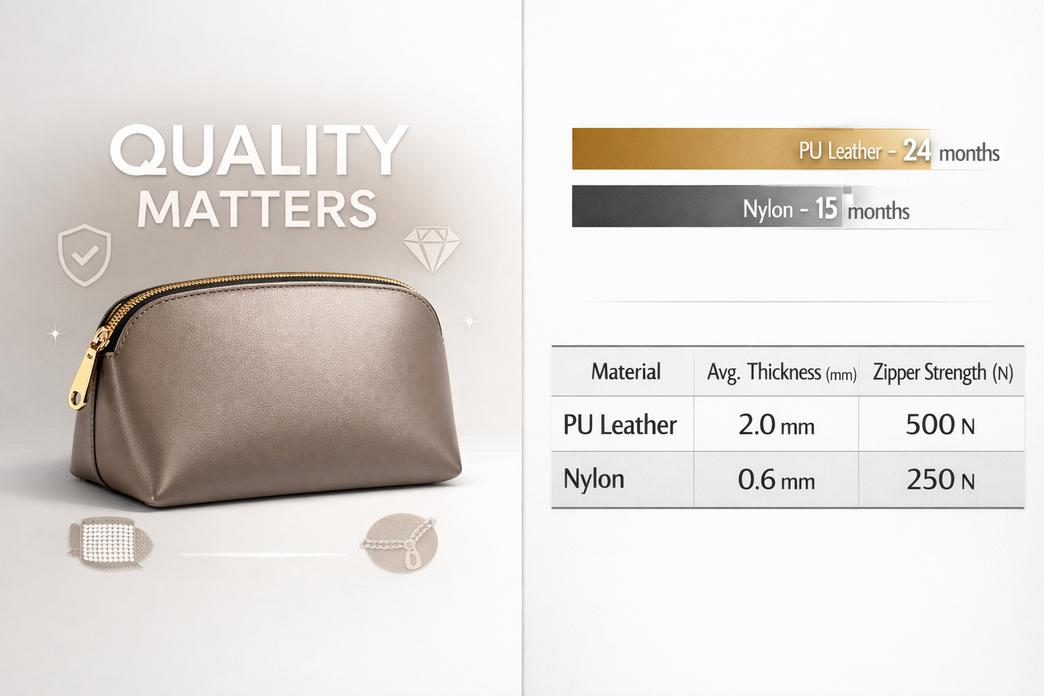
For buyers comparing options, data matters:
| Material Type | Avg. Thickness (mm) | Zipper Strength (N) | Visual Grade (1-5) | Estimated Lifespan (months) |
|---|---|---|---|---|
| PU Leather | 1.2 | 85 | 5 | 24 |
| Canvas | 0.9 | 70 | 4 | 18 |
| Nylon | 0.7 | 65 | 3 | 15 |
| PVC | 0.6 | 60 | 3 | 12 |
| Velvet | 1.0 | 75 | 5 | 20 |
Inside many makeup bag tutorials, people talk about style. Brands talk about return rates and repeat buyers. That’s where Topfeel supports retail clients—balancing look, cost, and quality without cutting corners. Topfeel’s knowledge base also aligns this with OEM/ODM production focused on structure stability, finish quality, organized storage, and multiple logo processes including screen print, heat transfer, embossing, and metal plate options.
Bulk production and quality control for event organizers
Event planners care about numbers. A quick makeup bag tutorial might show how to pack items neatly, but for large events, scale changes the game.
- Stable material sourcing
- Skilled craftsmanship
- Consistent quality checks
Production flow usually runs like this:
- Confirm design and sample approval.
- Lock fabric and hardware from verified suppliers.
- Begin batch cutting and stitching.
- Conduct mid-line inspection for consistent quality.
- Final random sampling before shipping.
For event giveaways and attendee gifts, consistency is everything. One broken zipper can ruin the vibe. Good factories improve production efficiency while protecting stitching lines and logo placement.
Quick reality check:
- Tight deadlines mean zero tolerance for defects.
- Bulk orders require synchronized teams.
- Packaging must survive transport.
Topfeel’s workflow runs from brief and spec to sampling, in-process QC, bulk production, final QA, and packing. Its knowledge base lists typical sampling at about 7–10 days after spec lock and artwork confirmation, with MOQ commonly starting at 1,000 pieces per style. That makes large promotional runs far easier to plan realistically.
Size modification, logo printing & internal layout design
Open any makeup bag tutorial and you’ll see how space matters. Layout can make or break daily use.
Here’s how brands refine customization:
- Custom dimensions
- Adjust length for brushes.
- Increase height for bottles.
- Slim profile for travel kits.
- Brand logo application
- Silk screen
- Embroidery
- Metal plate
- Internal organization
- Elastic bands
- Mesh pockets
- Zipper dividers
Under the hood, details count:
- Strong zipper quality
- Clean stitching details
- Smart compartment design
- Suitable fabric choice
A makeup bag tutorial often highlights how easy it is to grab products fast. That ease comes from thoughtful internal organization. From a simple cosmetic pouch guide to a full makeup bag tutorial, layout planning is the silent hero.
When design, scale, and detail meet, a custom bag stops being just packaging. It becomes part of the brand story.
FAQs about Makeup Bag Tutorial
How does a makeup bag tutorial help buyers judge product quality before bulk production?
A makeup bag tutorial opens the factory door and shows the truth behind the seams. Buyers from beauty brands and cosmetic retailers can see:
- Material sourcing in action – PU leather, nylon fabric, canvas material, and microfiber are cut to travel-friendly dimensions.
- Assembly details – zipper closure alignment, reinforced stitching at stress points, and waterproof lining placement.
- Quality control checks – smooth glide tests, spill-resistant inspections, and edge finishing before sample approval.
This visual process reduces doubt during bulk production and clarifies lead time and production capacity expectations.
Which materials and features create a durable yet elegant cosmetic storage solution?
The right balance of texture and structure defines the final feel.
- PU leather + polyester blend base: adds structure and long wear for retail product packaging.
- Nylon fabric lining: lightweight, waterproof lining for daily cosmetic storage.
- Canvas material panels: support large capacity or spacious interior designs.
- PVC plastic dividers: shape removable dividers for clear organization.
Add multiple compartments, brush holders, and reinforced stitching, and the bag moves from simple pouch to reliable beauty professional kit.
What customization options attract beauty brands and corporate clients?
A makeup bag tutorial often highlights how flexible design can be under pressure.
✦ Logo printing or embroidery for brand visibility
✦ Color selection that matches seasonal campaigns
✦ Size modification from compact size to portable design with large capacity
✦ Internal layout design with removable dividers and brush holders
✦ Hardware finishes in matte or metallic tones
For event organizers and corporate clients, these details turn a simple promotional giveaway into a memorable brand statement.
How do waterproof and spill-resistant features improve travel organization and daily use?
Spilled foundation inside luggage can ruin more than clothing—it damages trust in the product.
A spill-resistant interior with waterproof lining protects personal grooming essentials during travel organization. Reinforced stitching prevents leakage at seams, while a secure zipper closure keeps contents stable in a portable design. For carry-on convenience, many travel users still design around a quart-sized bag mindset because TSA’s 3-1-1 rule limits each passenger to one quart-size bag for liquids, gels, and aerosols in containers of 3.4 ounces or less. (tsa.gov)
For makeup artists and the hospitality industry, this reliability means fewer replacements, cleaner presentation, and confident service every time.
References
[The beauty boom and beyond: Can the industry maintain its growth? – https://www.mckinsey.com/industries/consumer-packaged-goods/our-insights/the-beauty-boom-and-beyond-can-the-industry-maintain-its-growth]
[State of Beauty 2025: Solving a shifting growth puzzle – https://www.mckinsey.com/industries/consumer-packaged-goods/our-insights/state-of-beauty]
[Selecting Your Sewing Threads – https://www.coats.com/en-us/info-hub/selecting-your-sewing-threads/]
[About Soft and Secure Seams for Activewear and Intimates – https://www.coats.com/en/info-hub/about-soft-and-secure-seams-for-activewear-and-intimates/]
[Choosing the Best Waterproof Fabric – https://www.sailrite.com/Choosing-Waterproof-Fabric-Brands]
[Liquids, Aerosols, and Gels Rule – https://www.tsa.gov/travel/frequently-asked-questions/liquids-aerosols-and-gels-rule]



.png)



4th-5th Floor, Building B2, Yin Tian Industrial Park, Xi Xiang Road, Bao'an Dist, Shenzhen, 518102 ,China