
 English
  Korean
  French
  German
  Hungarian
  Japanese
  Russian
What You Need to Know About Carrier Bag Suppliers and Customization Options
You’re juggling a product launch, the design team’s in meltdown over Pantone shades, and your CMO just asked if the bags will “spark joy.” Sound familiar? For beauty brands, sourcing from carrier bag suppliers isn’t just logistics—it’s showbiz. These bags are your front-row tickets to attention; they swing through crowds like tiny billboards whispering your brand story.
In a 2026 market where the retail bags sector is projected to hit $20.4 billion, choosing the right partner is critical. While sustainability remains vital, consumers have evolved into “value seekers”—with nearly 47% prioritizing cost and durability alongside eco-credentials due to lingering economic pressures. You’re not just hunting for a vendor; you’re casting the lead role in a retail drama that demands both performance and price efficiency.
So—who’s got the flair, reliability, and eco-cred to carry that weight? Keep reading.
Quick Answers on Carrier Bag Suppliers
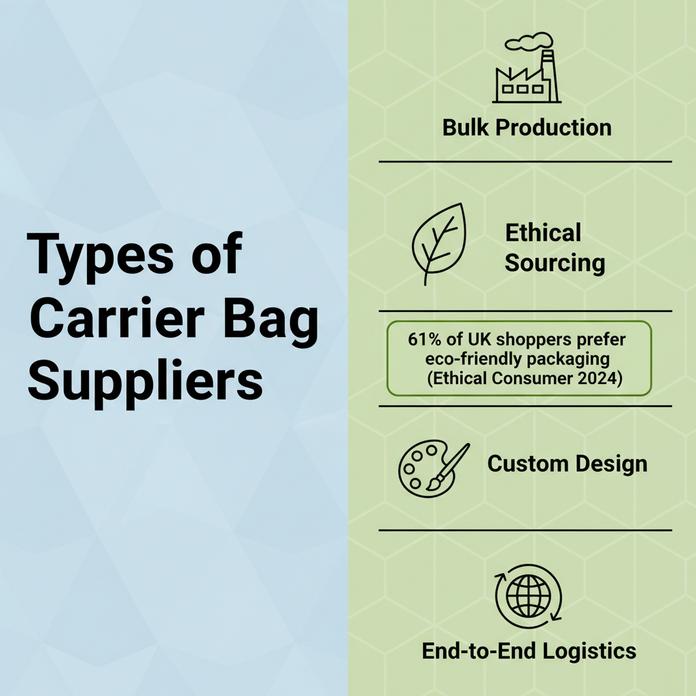
➔ Types of Suppliers: Bulk production manufacturers for scale, ethical sourcing specialists for circularity, custom design consultants for “smart” packaging, and end-to-end logistics providers for AI-driven delivery updates.
➔ Key Customization Factors: Tailor bag dimensions for “right-sizing” to reduce shipping costs, integrate QR codes for digital storytelling, and select mono-materials to ensure recyclability.
➔ Material Suitability: Bio-based materials (now holding 43.8% of the sustainable market share), fibre-based solutions for e-commerce, and high-PCW (Post-Consumer Waste) RPET for circular compliance.
➔ Sample & Prototype Services: Accelerated digital prototyping and 3D rendering help hit tight deadlines while minimizing physical waste.
➔ Sustainability Credentials: Prioritize suppliers focused on “system performance”—ensuring bags are recyclable in practice, not just in theory—and those offering verifiable supply chain transparency.
➔ One-Stop Logistics: Choose partners utilizing AI for real-time inventory tracking and regional sourcing to mitigate global supply chain disruptions.
Types Of Carrier Bag Suppliers
A quick guide to help you match the right carrier bag suppliers with your business needs—whether it’s scale, ethics, creativity, or delivery.
What You Need To Know About Carrier Bag Suppliers And Customization Options 1
Bulk Production Manufacturers
Big stores and event organizers usually roll with bulk production manufacturers, and here’s why they’re a no-brainer:
- They crank out bags by the truckload—think mass production at its finest.
- Their manufacturing capacity means timelines stay tight without sacrificing quality.
- You get cost savings through economies of scale, a crucial factor as material costs for sustainable options remain higher than virgin plastics.
Need thousands of uniform bags for a seasonal promo? These folks have the industrial processes to make it happen without breaking a sweat.
Ethical Sourcing Specialists
If your brand vibes with sustainability, these are your people. They go all in on:
• Using sustainable materials like jute, organic cotton, or high-grade RPET.
• Partnering only with factories that follow fair trade labor practices.
• Prioritizing “system-aware” designs that align with local recycling infrastructure rather than just theoretical biodegradability.
According to 2026 data, 61% of consumers are actively limiting single-use plastics to lead more sustainable lifestyles.
These suppliers don’t just talk green—they live it. Perfect for conscious brands trying to walk the talk in every detail.
Custom Design Consultants
Want your carrier bags to scream “you”? Then look into design-focused suppliers who’ll take care of everything from sketch to shelf:
They offer full-on bespoke solutions, including custom shapes and “smart” integrations like NFC or QR codes for digital engagement.
Their team helps with high-end finishes using advanced printing techniques that use less ink for easier recycling.
Expect deep dives into fonts, colors, and materials during the artwork creation.
You’ll work closely on prototypes until it feels just right—because cookie-cutter doesn’t cut it when you’re building a standout brand identity.
End-to-End Logistics Providers
These guys are like the Swiss Army knife of carrier bag suppliers—they handle way more than just making bags:
- Start with design consultation or provide your specs directly.
- Bags head into manufacturing under strict timelines.
- Finished products go through warehousing and QC checks.
- Then comes global shipping via trusted partners.
📦 Underneath all this is smart tech for real-time tracking and smooth-as-butter inventory syncing, often using AI to predict demand and prevent stockouts.
Their edge lies in full-scale support—from sourcing raw materials to dropping cartons at your doorstep—with zero hiccups thanks to tight-knit supply chain management, efficient fulfillment services, and wide-reaching distribution networks across continents.
Whether you’re scaling up or going global, these pros keep things moving so you don’t have to babysit every shipment yourself.
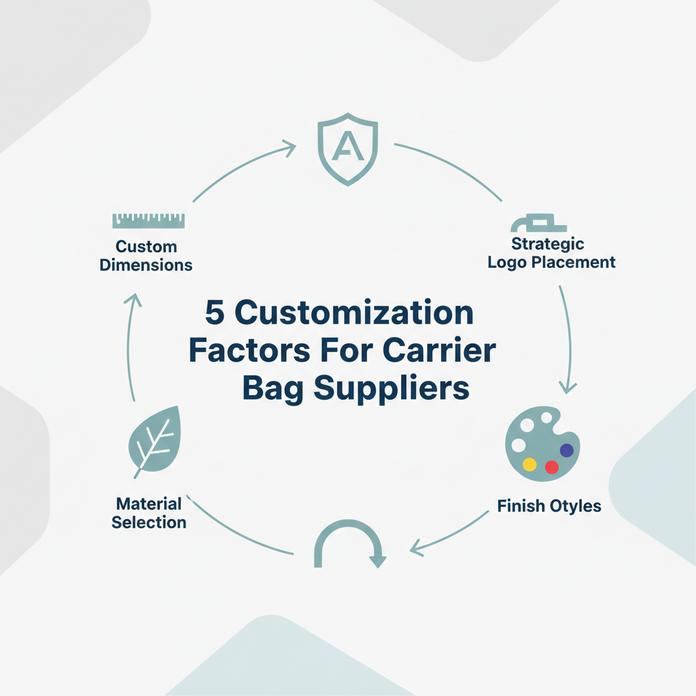
5 Customization Factors For Carrier Bag Suppliers
What You Need To Know About Carrier Bag Suppliers And Customization Options 2
When it comes to standing out, smart customization is the name of the game for any carrier bag supplier aiming to win loyalty and boost brand recall in 2026.
Custom Dimensions: Right-Sizing for Efficiency
▪️ Want your bags to fit just right? Start by locking in the ideal custom dimensions—height, width, and depth tailored to your product line.
▪️ “Right-sizing” is a top trend for 2026 to reduce excess material waste and shipping volume.
▪️ With flexible sizing options, you can design around anything from cosmetic bags to groceries.
- Measure your average product dimensions.
- Add buffer space for ease of packing.
- Adjust proportions based on transportation and display needs.
→ Brands that fine-tune their bag size often enjoy better shelf presence and significantly reduced carbon footprints.
Strategic Logo Placement and Digital Printing Techniques
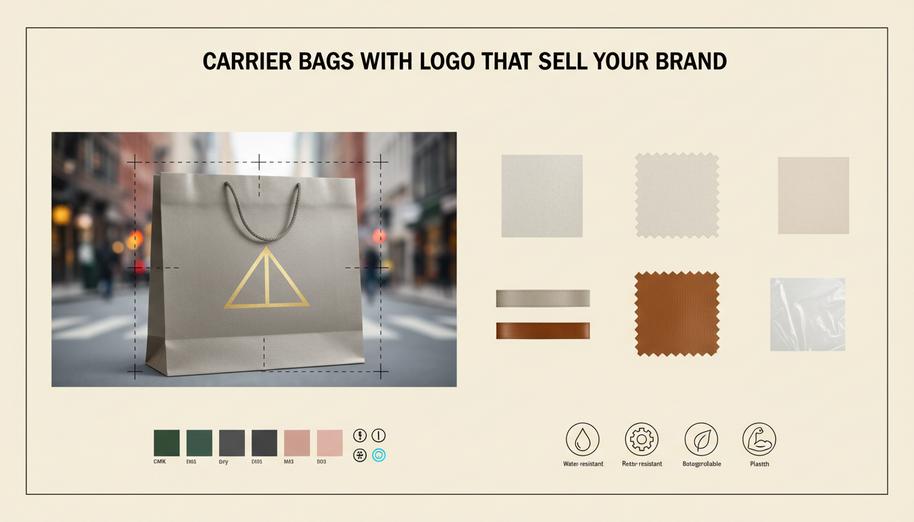
• You’ve got a killer logo—now let’s make it pop with smart logo placement strategies.
• Use high-res digital printing, screen techniques, or water-based inks that are eco-friendly.
✔ Place logos at eye level when carried.
✔ Choose bold contrast colors for max impact; minimalism is the dominant aesthetic for 2026.
✔ Align placement with fold lines or gussets for uninterrupted visuals.
High-quality printing boosts perceived value—don’t skimp here if you’re serious about brand visibility.
Material Selection for Eco-Friendly Branding
♻️ Go green without losing edge! Choosing sustainable material types like jute, RPET, or bio-based polymers is expected now.
• Match materials with campaign goals: RPET suits tech brands; kraft paper fits organic food lines; organic cotton screams premium eco-consciousness.
• Bio-based packaging now dominates the sustainable market with a 43.8% share, driven by food and consumer goods applications.
| Material Type | Sustainability Score | Cost Trend (2026) | Typical Use Case |
|---|---|---|---|
| Jute | High | Stable | Grocery & boutique bags |
| RPET | Medium-High | Decreasing | Tech & promo events |
| Organic Cotton | High | Premium | Premium retail |
| Bio-Based Polymer | High | Premium | Specialized retail |
Tailor your eco-pitch with materials that talk the talk—and walk it too.
Handle Styles, Gusseted Bottoms & Closure Variations
There’s more than one way to carry a bag—and each choice says something different about your brand’s vibe:
- Reinforced rope handles = upscale feel
- Die-cut handles = cost-effective minimalism
- Drawstring closures = sporty or youth-focused branding
- Flat-bottom gussets = structure and volume
- Snap or zipper closures = added security
Choosing the right combo of handle styles, base shapes like a strong gusseted bottom, and closure types adds both flair and function to every custom bag order from any solid carrier bag supplier.
Finish Options and Precise Color Matching
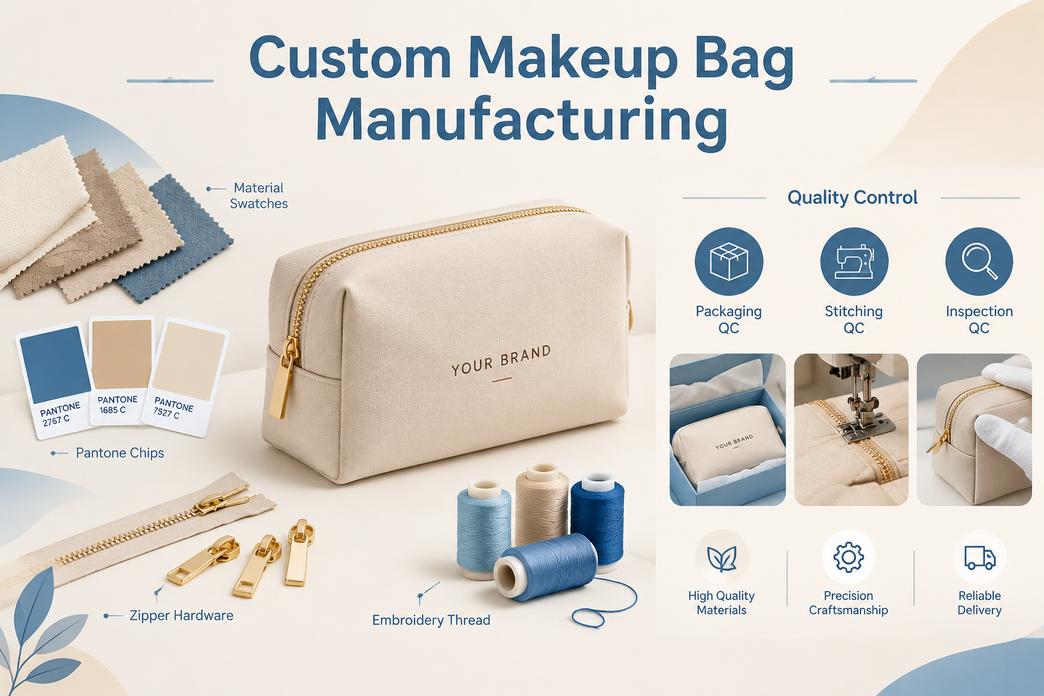
Color off by even a smidge? Clients notice fast—so do their customers. That’s where Pantone-calibrated color matching steps in to save the day:
– Matte finishes give off a modern, muted tone perfect for minimalist brands.
– Gloss finishes scream vibrancy and catch light like nobody’s business on retail shelves.
– Mono-material laminates are trending in 2026 to ensure the bag remains recyclable without separating layers.
Use spot UV over logos or taglines if you want them to shine without overwhelming the whole design palette.
Topfeel nails this balance by offering precision-matched Pantone shades across all finish types, ensuring consistency from mockup through production run after run.
By dialing into these five factors, savvy businesses working with top-tier carrier bag suppliers can turn simple packaging into serious marketing muscle—all while keeping things stylishly functional at every step of the customer journey.
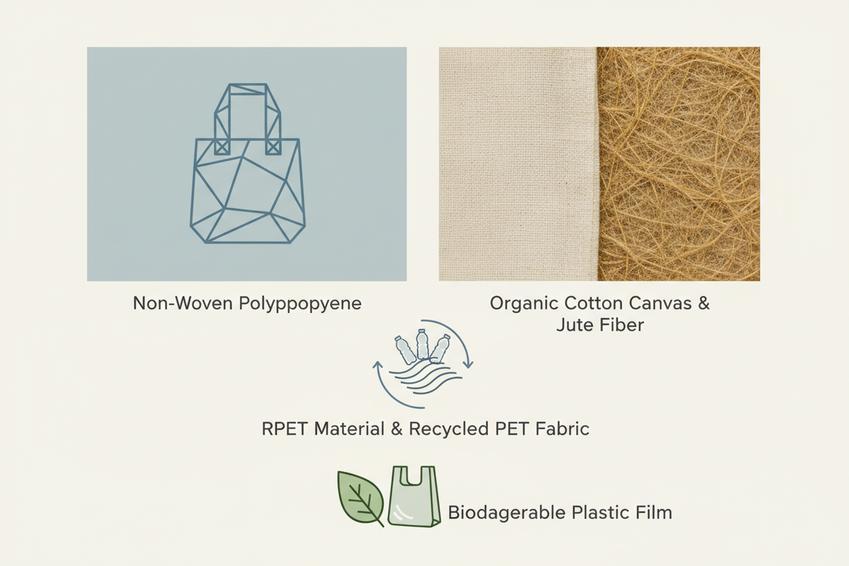
What Materials Suit Custom Carrier Bags?
What You Need To Know About Carrier Bag Suppliers And Customization Options 3
Here’s the lowdown on materials that make custom bags stand out—whether for daily use, eco impact, or premium branding.
Non-Woven Polypropylene for High-Volume Durability
- Non-woven polypropylene is a champ at handling wear and tear.
- It’s lightweight but tough—great for giveaways or daily shopping.
- These reusable bags can take a beating without losing shape.
- It’s cost-effective, making it perfect for bulk orders.
- Offers water resistance, unlike traditional cloth options.
- Comes in tons of colors and finishes to match your brand vibe.
• Pairing this material with reinforced handles boosts its durability even more.
If you’re working with big runs or need something that holds up under pressure, this one’s your go-to. Many carrier bag suppliers recommend it when durability meets affordability is the goal. And Topfeel nails this balance every time.
Organic Cotton Canvas & Jute Fiber for Premium Texture
You want texture? You got it. Both organic cotton canvas and jute fiber bring that high-end feel people love to touch—and reuse.
Canvas gives you structure, while jute adds rustic charm.
They’re biodegradable and scream “earth-friendly.”
Perfect for luxury retail or boutique events where first impressions matter most.
These natural fibers are super customizable too—think screen prints, embroidery, even dyeing. When customers carry these around town, it’s like free advertising with taste. Smart move if you’re eyeing niche markets through select carrier bag suppliers who specialize in upscale looks.
RPET Material & Recycled PET Fabric for Green Packaging
Let’s break it down:
Step 1: Used plastic bottles are collected and cleaned.
Step 2: They’re melted into pellets—yep, actual plastic bits.
Step 3: Pellets get spun into fibers that become strong fabrics like RPET material.
Step 4: That fabric becomes your next branded tote or shopping bag.
This process reduces landfill waste and turns trash into treasure—a win-win! As more shoppers care about sustainability, using recycled PET fabric shows your brand walks the talk on eco-responsibility. It’s no surprise many forward-thinking carrier bag suppliers are shifting to RPET as their standard offering.
Topfeel has been ahead of the curve here—making green packaging stylish without sacrificing function.
Biodegradable Plastic Film for Earth-Friendly Disposal
Biodegradable doesn’t mean flimsy anymore.
• Today’s biodegradable plastic film feels just like regular plastic—but breaks down way faster after use.
• Great option if you still want something flexible yet guilt-free post-use.
• Works well in industries where moisture resistance matters (like food or beauty).
Note for 2026: While compostables are popular, verify local infrastructure; many brands are shifting to “recyclable-ready” films where industrial composting isn’t available. This fits brands aiming to reduce environmental impact without ditching convenience altogether. Ask any eco-conscious supplier—they’ll tell you degradable bags are becoming a staple in modern packaging solutions across various industries managed by smart-thinking carrier bag suppliers looking ahead rather than behind.
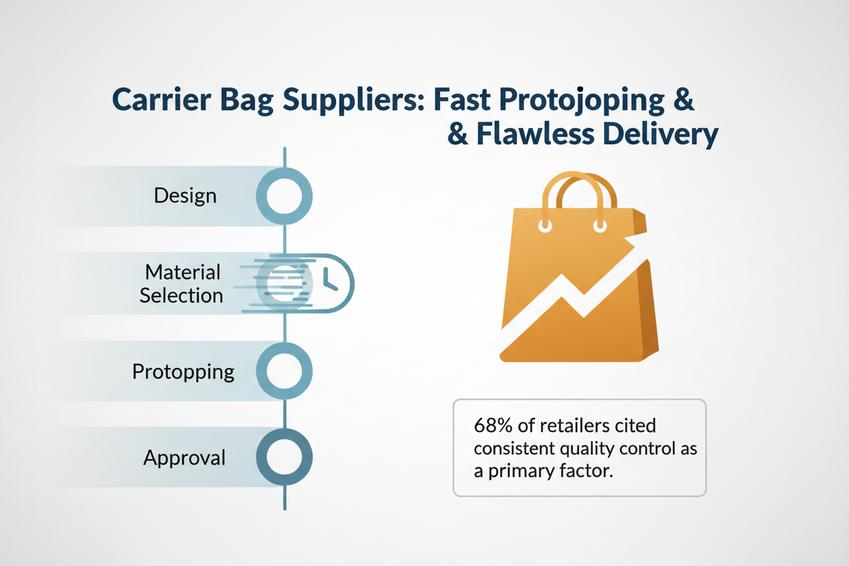
Retail Launch: Top Carrier Bag Suppliers
What You Need To Know About Carrier Bag Suppliers And Customization Options 4
Finding the right carrier bag suppliers can make or break a store launch—here’s how to get it right, fast, and without stress.
Accelerated Sample Prototyping to Hit Store Deadlines
To meet tight retail timelines, fast-tracked sample creation is everything. Here’s how top-tier carrier bag suppliers streamline the process:
- Initial Design Phase
- Clients submit artwork and brand specs.
- Supplier suggests tweaks for print clarity and material fit.
- Material & Technique Selection
- Choose from high-grade kraft, laminated paper, or eco-fiber blends.
- Match with suitable printing techniques, like offset or hot stamping.
- Prototype Development
- A pre-approved template is used to cut down lead time.
- Finalized mockups are made using production-grade materials, often supported by 3D digital rendering for instant feedback.
- Approval & Expedited Delivery
- Brands receive physical or digital proofs within days.
- Once approved, samples are shipped via express courier for final sign-off.
This whole cycle often wraps in under a week—ideal for pop-up launches or last-minute retail pivots. By prioritizing smart design iteration and rapid prototyping, these suppliers help brands avoid delays while ensuring their bags look spot-on on shelves.
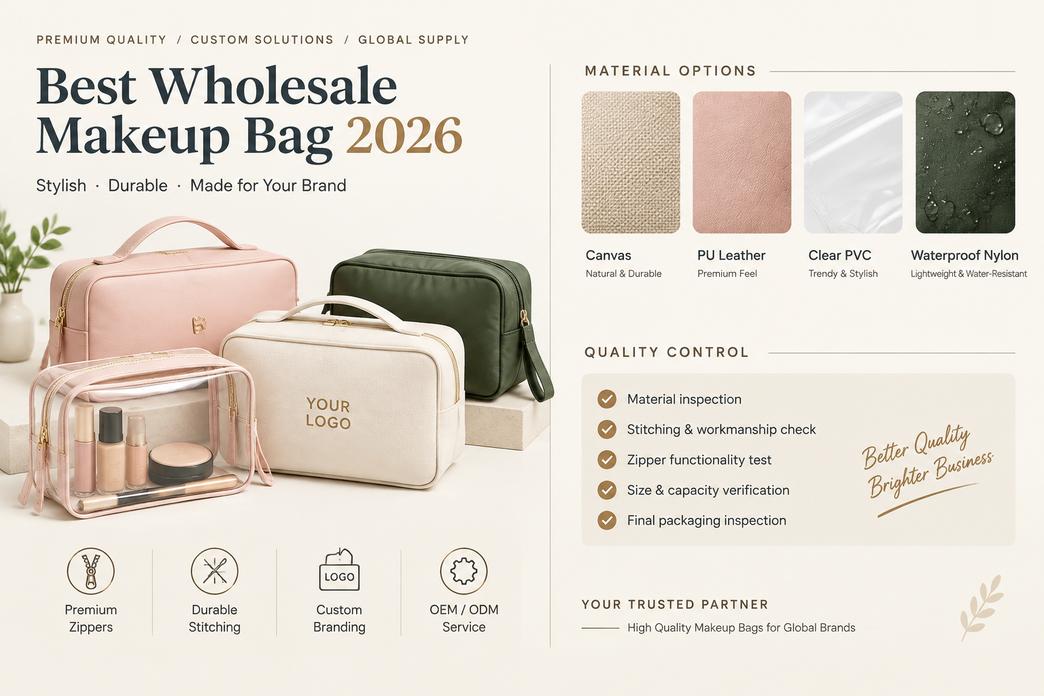
Bulk Production Partners for Cosmetics Retailers
Cosmetics brands need more than just volume—they need visual punch and consistency across thousands of bags. The best carrier bag suppliers know this well:
• High-volume manufacturing facilities allow scalable runs without skipping on quality.
• Customization includes embossed logos, foil finishes, and unique handles that match seasonal campaigns.
- Quality checks happen at every phase—from raw material inspection to post-print auditing.
- Eco-conscious options like FSC-certified paper and soy inks are now standard offerings among premium vendors.
✦ Brands can also request real-time updates during production to stay ahead of schedule changes.
These manufacturers don’t just deliver bulk—they build brand presence through packaging that pops on beauty counters while meeting strict compliance standards for product packaging in regulated markets.
Logistics Support & Quality Assurance for Flawless Delivery
Coordinating delivery across multiple stores while keeping every bag perfect? That’s where expert logistics really shine among elite carrier bag suppliers:
- 📦 Inventory Coordination
- Central warehouses track quantities per SKU.
- Automated reorder alerts help avoid stockouts during busy seasons.
- 🔍 Quality Assurance
- Multi-point inspections prevent misprints or structural issues.
- Bags undergo drop tests and humidity resistance checks before shipping.
“According to Smithers’ 2026 forecast, consistent quality control is a primary factor for 68% of retailers when selecting packaging vendors”.
- 🚚 Shipping & Tracking
- Integrated systems offer real-time tracking codes per shipment.
- Delivery windows are optimized based on region-specific carrier performance data.
By blending airtight logistics with stringent QA protocols, these partners ensure that retail launches go off without a hitch—no damaged goods, no late arrivals, just flawless execution from factory floor to storefront display.
FAQs
What makes carrier bag suppliers valuable for beauty brand launches?
Bulk production runs ensure thousands of organic cotton canvas or RPET material bags arrive on time; sample prototyping gives makeup retailers a preview with exact finishes, from gusseted bottoms to reinforced handles, before final sign-off. Logistics support keeps fragrance manufacturers stocked during high-profile events.
Can carrier bag suppliers help maintain eco-friendly branding?
Yes—by using jute fiber, biodegradable plastic film, or recycled PET fabric paired with reusable designs and water-resistant linings, cosmetics industry players can meet sustainability targets while delighting customers who value reduced carbon footprints. In 2026, many suppliers also offer “system-aware” packaging that aligns with verified recycling streams.
Which printing techniques best suit promotional campaigns in skincare retail?
- Screen printing: vivid color blocks on non-woven polypropylene
- Sublimation printing: detailed artistry on recycled PET fabric
- Heat transfer printing: smooth coverage over biodegradable plastic film without cracking through repeated use
Each method aligns with logo placement and color matching goals set by beauty brands’ design teams.
How important are functional features in cosmetic carrier bags?
Features like internal pockets keep gift sets organized; zipper closures add security for luxury perfumes; gusseted bottoms handle heavy skincare jars gracefully—all balanced by comfortable reinforced handles that feel good in the customer’s hand during shopping trips.
What customization options work best for the cosmetics industry?
Skincare companies often request:
- Custom dimensions tailored to bottle or palette shapes
- Finish options enhancing tactile sensation and visual appeal
- Handle styles suited to longer carries at beauty expos
Artwork design services bring these elements together so every bag tells the brand’s story instantly at first glance.
References
[1.1] Carrier Bags Market Trends & Size 2026-2035 – https://www.towardspackaging.com
[1.2] Retail Bags Market Report 2026 – https://www.researchandmarkets.com
[2.1] Sustainable Packaging Market Size and Share Forecast Outlook 2026 to 2036 – https://www.futuremarketinsights.com
[2.2] Sustainable Packaging Trends for 2026 – https://www.ecoenclose.com
[3.4] Sustainability definitions and performance concerns hinder packaging progress – https://packagingeurope.com
[4.1] The sustainable consumer – https://www.deloitte.com
[4.2] 2026 Consumer Products Industry Global Outlook – https://www.deloitte.com
[5.1] The Future of Sustainable Flexible Packaging to 2026 – https://www.smithers.com
[6.2] The Key Trends Shaping the Packaging Industry in 2026 – https://www.packagingworldinsights.com


.png)



4th-5th Floor, Building B2, Yin Tian Industrial Park, Xi Xiang Road, Bao'an Dist, Shenzhen, 518102 ,China