
 English
  Korean
  French
  German
  Hungarian
  Japanese
  Russian
The Real Difference Between a Toiletry Bag and a Cosmetic Bag
The difference between toiletry bag and cosmetic bag can make or break your next bulk order. Mix them up, and you risk wasted samples, awkward sizing, and a brand story that falls flat.
Know the purpose, lock the design, protect your margin from day one.
Quick Notes on the Difference Between Toiletry Bag and Cosmetic Bag
- Toiletry bags house larger hygiene items—water-resistant fabrics, multiple compartments, sturdy handles for travel ease.
- Cosmetic bags organize makeup essentials—brush holders, clear sections, easy-clean lining, and stylish color/logo options.
- Avoid mistakes by confirming water-resistance, storage features, hardware durability, custom sizes, and private-label possibilities before bulk orders.
Key Features: Toiletry Bag Vs. Cosmetic Bag
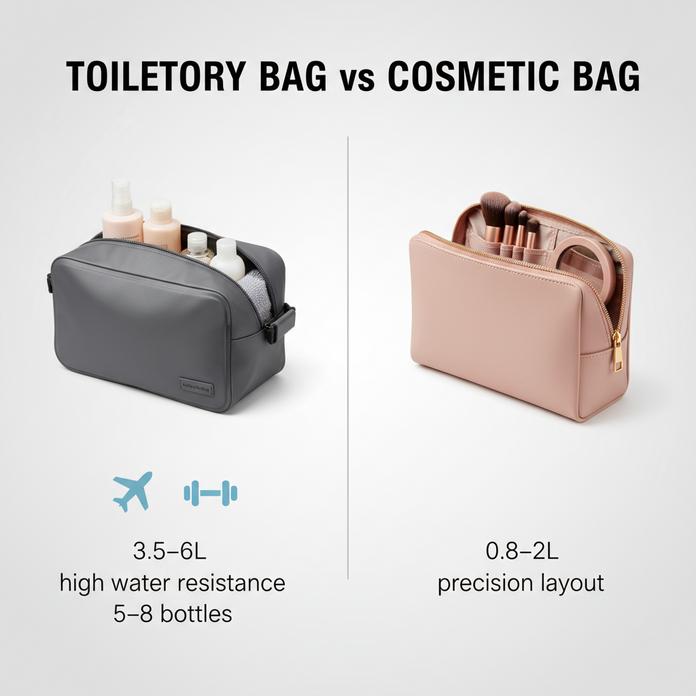
If you’ve ever stood in a store wondering about the difference between toiletry bag and cosmetic bag, you’re not alone. The words sound close, yet the use feels totally different. From travel routines to daily touch‑ups, knowing the difference between toiletry bag and cosmetic bag helps you pack smarter and shop better. Let’s break it down in a real‑world way.
Toiletry Bag
Understanding the difference between toiletry bag and cosmetic bag starts here, with function over flair.
- Purpose and Packing Logic
- Core use: carrying Hygiene products, Personal care items, and daily Bathroom essentials.
- Typical scenarios:
- Travel
- Weekend trips
- Business flights
- Gym visits
- Focus: Larger capacity and practical layout.
- Structural Features
- Materials
- Water-resistant nylon
- Polyester with Spill resistance coating
- Functional Add-ons
- Built-in Hanging hook for small hotel bathrooms
- Reinforced zippers for heavy bottles
- Shape
- Wider base to hold shampoo upright
- Materials
- Capacity Comparison Table
| Feature | Toiletry Bag | Cosmetic Bag |
|---|---|---|
| Avg. Volume (L) | 3.5–6 L | 0.8–2 L |
| Bottle Storage | 5–8 full-size | 0–2 small |
| Compartments | 4–10 | 2–6 |
| Water Resistance | High | Medium |
| Typical Weight (g) | 300–600 | 150–350 |
Brands like Topfeel design travel-ready options that clearly show the difference between toiletry bag and cosmetic bag through smart compartment depth and durable handles.
Cosmetic Bag
Now let’s flip the script. The difference between toiletry bag and cosmetic bag becomes obvious when makeup enters the chat.
A Cosmetic Bag is built for Makeup products and delicate Beauty tools. It’s compact. Sleek. Easy to slip into a tote.
You’ll often find:
- Slim slots for Brushes
- Small pockets for fragile, Delicate items
- Built-in Mirror for quick Touch-ups
The vibe leans stylish—color palettes, logo placement, smooth lining that wipes clean after a powder spill. While a toiletry bag vs cosmetic bag comparison highlights size and durability, the cosmetic version wins on detail and organization for daily glam.
For brands like Topfeel, the design focus shifts from bulk storage to precision layout. So when someone asks about the difference between toiletry bag and cosmetic bag, the short answer is this: one handles your shower routine, the other keeps your face game strong.
4 Bag-Selection Mistakes To Avoid
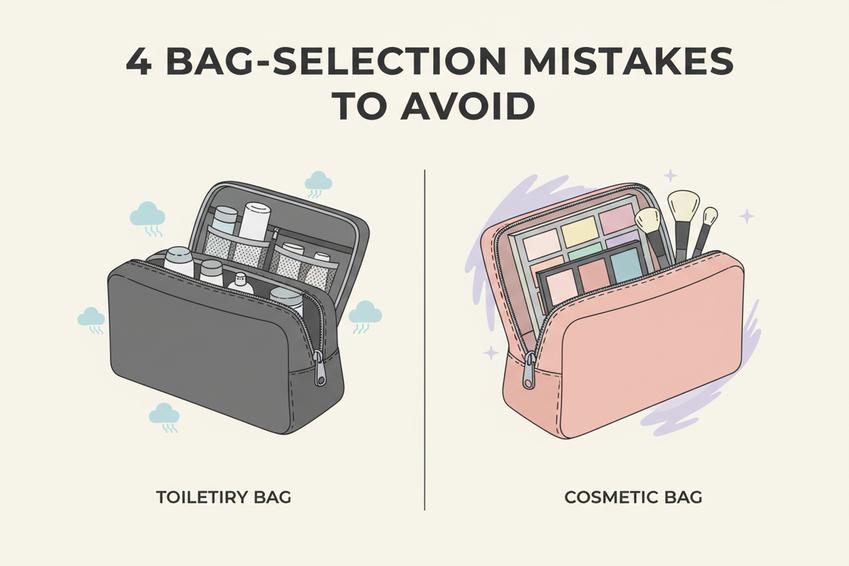
Choosing the right bag sounds simple, yet the difference between toiletry bag and cosmetic bag often gets blurred. That confusion leads to wrong materials, messy storage, and missed branding chances for growing labels.
Overlooking water-resistant fabrics like nylon or PU leather
When brands ignore fabric choice, the difference between toiletry bag and cosmetic bag becomes obvious in daily use.
- Material selection issues
- Core material risks
- Non water-resistant cotton absorbs spills.
- Thin lining without waterproof coating stains easily.
- Better alternatives
- Nylon for lightweight travel.
- PU leather for a polished retail look.
- Polyester or PVC for easy-clean surfaces.
- Core material risks
- Functional impact
- Toiletry kits face shower steam and leaks.
- Makeup pouches deal more with powder residue than liquid splash.
- Ignoring this difference between toiletry bag and cosmetic bag shortens product life fast.
Brands like Topfeel focus on durable material layers so buyers clearly see the difference between cosmetic bag and toiletry bag performance in real scenarios.
Ignoring storage organization: missing brush holders or removable dividers
Storage defines the real difference between toiletry bag and cosmetic bag in everyday packing.
- Interior layout planning
- Core organization elements
- Elastic brush holders
- Zippered pockets
- Mesh compartments
- Flexible upgrades
- Removable dividers
- Adjustable interior panels
- Core organization elements
- Usage comparison
- Toiletry storage: bottles, tubes, taller items.
- Cosmetic storage: palettes, tools, small jars.
- The layout highlights the difference between makeup bag and toiletry bag expectations.
Without smart storage, the main compartment turns chaotic, and the difference between toiletry bag and cosmetic bag becomes a customer complaint instead of a selling point.
Skipping hardware checks: zipper closure and handle design issues
Hardware quietly shapes durability and user trust.
- Key hardware checkpoints
- Smooth zipper movement
- Reinforced closure stitching
- Strong handle or strap attachment
- Durable metal or coated puller and fastener
- Why it matters
- Toiletry bags carry heavier liquids.
- Cosmetic bags open more frequently during touch-ups.
- This usage pattern deepens the difference between toiletry bag and cosmetic bag wear levels.
Weak durability shows up fast, especially when buyers compare the difference between toiletry bag and cosmetic bag in travel settings.
Failing to confirm custom size and private label options
Missing customization is a branding miss.
- Specification alignment
- Exact size and dimensions for target market
- Travel vs vanity use positioning
- Brand identity elements
- Private label strategy
- Logo placement
- Color matching
- Advanced branding options
- Bespoke structure tweaks
- Full personalization programs
- Private label strategy
Retailers often discuss the difference between toiletry bag and cosmetic bag when refining SKU strategy. Partnering with Topfeel helps clarify customization paths, making that difference between toiletry bag and cosmetic bag part of a clear brand story instead of random product overlap.
Custom Cosmetic Bag Orders: What To Ask
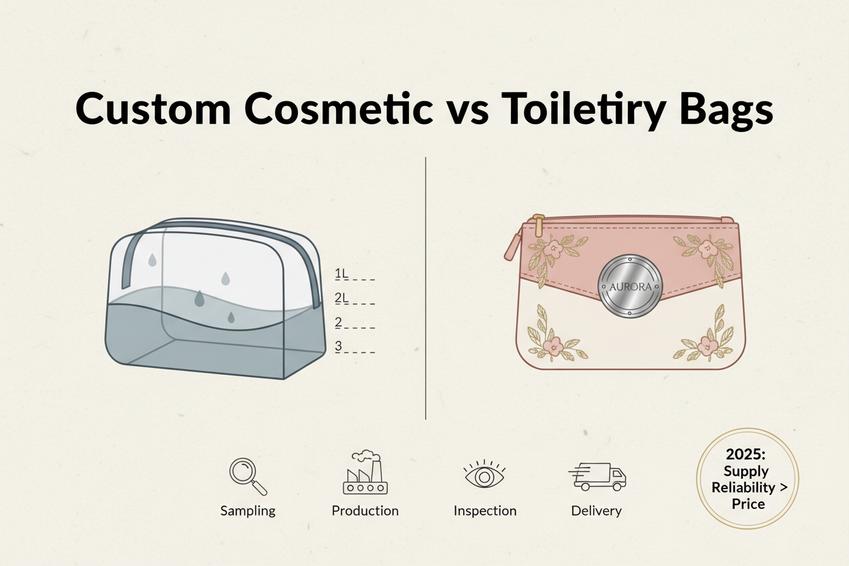
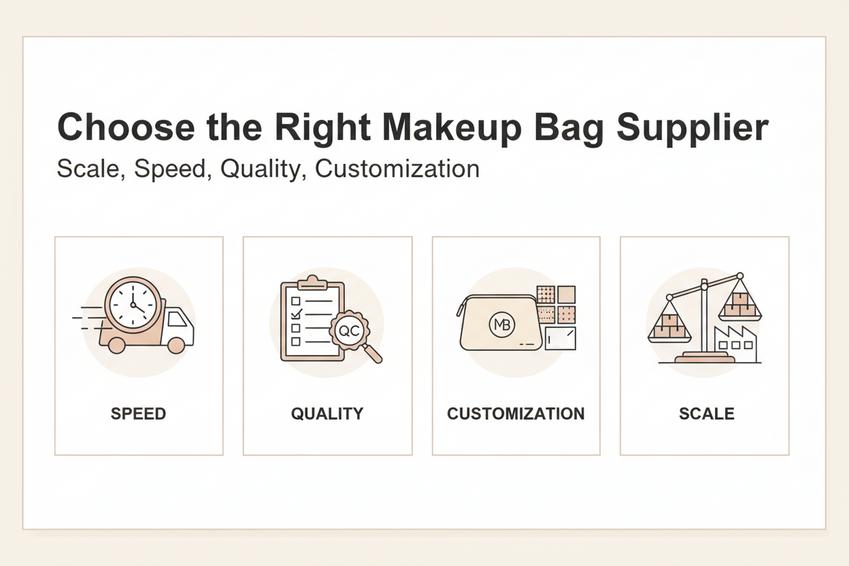
Choosing the right supplier gets easier once you truly get the difference between toiletry bag and cosmetic bag. That small detail shapes design, materials, and even branding choices. If you’ve ever mixed up a toiletry bag vs cosmetic bag, you’re not alone.
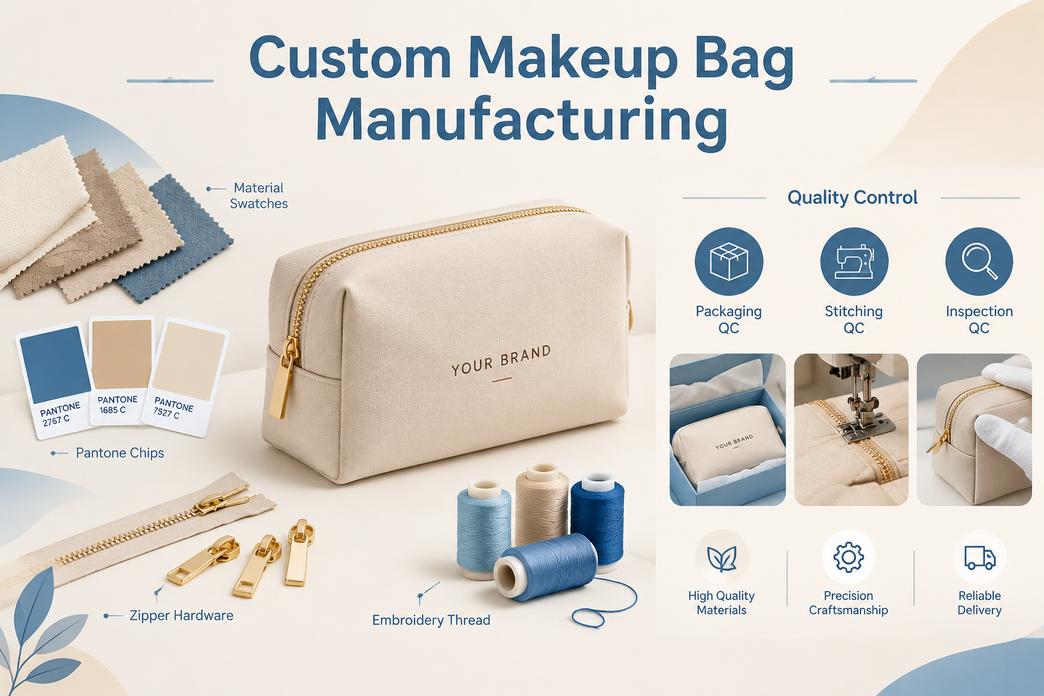
Promotional gift needs: screen printing, embroidery, and bespoke design
Understanding the difference between toiletry bag and cosmetic bag matters a lot for giveaways.
- For a toiletry bag:
- Focus on larger capacity and durable printing.
- Prioritize waterproof coatings over decorative embellishment.
- For a cosmetic bag:
- Emphasize refined branding and detailed artwork.
- Consider textured embroidery for premium personalization.
When discussing customization, clarify:
- Logo size and placement
- Color consistency with brand design
- Fabric choice that supports sharp printing
At Topfeel, teams often suggest matching the bag type to campaign intent. A beauty launch? Go cosmetic. Travel promo? A toiletry option may fit better. That’s where the difference between a cosmetic bag and toiletry bag becomes practical, not just semantic.
Corporate giveaway: lead time, quality control, and bulk production
For corporate projects, production clarity saves headaches.
- Production schedule
- Manufacturing capacity
- Inspection checkpoints
- Delivery deadlines
Break it down:
- Sampling
- Prototype approval
- Logo durability test
- Mass production
- Volume confirmation
- Consistency control
- Final inspection
- Stitch strength
- Zipper testing
A 2025 McKinsey consumer goods outlook noted that supply reliability now outweighs price in B2B sourcing decisions.
“Consistency and speed of fulfillment are now primary drivers of brand trust in promotional merchandise.”
That insight hits hard when planning bulk cosmetic bags. The difference between toiletry bag and cosmetic bag also affects standards, since interior structure changes manufacturing complexity.
Retail product packaging: logo placement, color matching, and packaging options
Retail demands polish. Here the difference between toiletry bag and cosmetic bag shapes visual presentation.
- Logo should align with shelf display height.
- Pantone accuracy supports brand aesthetics.
- Exterior materials must reflect product positioning.
Nested considerations:
- Logo placement
- Centered for symmetry
- Corner stamp for minimalist branding
- Packaging
- Recyclable sleeve
- Custom box with labeling
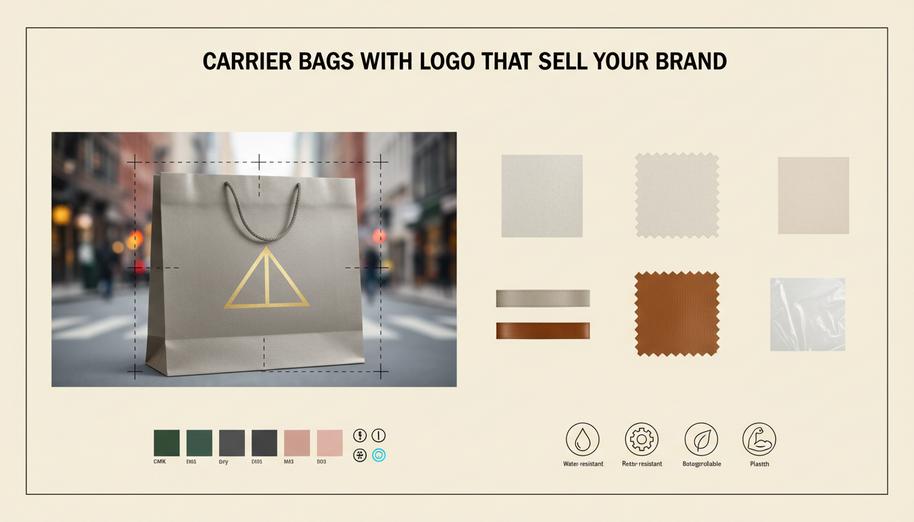
Topfeel often advises aligning cosmetic bag design with outer retail packaging so customers see one unified visual story.
Subscription box item: material sourcing, recycled fabric, and easy-clean lining
Subscription buyers care about feel and function.
Key checks:
- Transparent materials sourcing
- Verified sustainability claims
- Wipeable interior lining
Dig deeper:
- Fabric
- Recycled polyester
- Organic cotton
- Interior
- Easy-clean coating
- Stain-resistant components
Here’s the real talk: the difference between toiletry bag and cosmetic bag affects daily use. A toiletry bag handles spills from shampoo. A cosmetic bag protects makeup powders. Knowing the difference between toiletry bag and cosmetic bag ensures durability, better functionality, and stronger eco positioning.
That simple clarity helps brands avoid awkward mismatches and create products people actually keep.
FAQs about Difference Between Toiletry Bag And Cosmetic Bag
What Is the Core Difference Between a Toiletry Bag and a Cosmetic Bag?
The difference between toiletry bag and cosmetic bag starts with purpose and scale:
- Toiletry bag – built for shampoo, skincare bottles, and shaving kits; often a larger travel accessory with a sturdy handle design and water-resistant nylon or polyester.
- Cosmetic bag / cosmetic pouch – compact and beauty-focused; designed for makeup, brush holders, and daily touch-ups in a portable, lightweight shape.
In short, toiletry bags serve hygiene routines, while makeup organizers and vanity bags focus on beauty essentials and presentation.
How Do Design and Structure Affect Daily Use?
A toiletry bag favors space and durability; a beauty case values precision and elegance.
- ✦ Compartments: Toiletry versions highlight a roomy main compartment and elastic loops; cosmetic bags add clear sections, internal pockets, and removable dividers.
- ✦ Closure: Both rely on zipper closure, yet cosmetic styles often emphasize secure closure with decorative hardware.
- ✦ Shape & color palette: Travel cosmetic bags lean stylish; toiletry bags stay practical and neutral.
The choice reflects lifestyle—organized grooming or curated makeup display.
Which Materials Suit Each Type Best?
Material defines performance and brand feel.
Toiletry bags commonly use nylon, PVC, or polyester for spill-proof, easy clean function. Cosmetic pouches and custom makeup bags often feature PU leather, vegan leather, canvas, or recycled fabric for a refined touch suited to retail product shelves.
| Bag Type | Common Materials | Key Benefit |
|---|---|---|
| Toiletry Bag | Nylon / PVC | Water-resistant, durable construction |
| Cosmetic Bag | PU leather / Canvas | Style, logo placement clarity |
| Beauty Case | Vegan leather | Premium cosmetic brand packaging look |
Material sourcing also affects bulk production cost and long-term durability.
What Should Brands Consider for Custom Orders?
For private label projects, tension rises between beauty and practicality.
- Custom size to fit a subscription box item or corporate giveaway kit
- Logo placement via screen printing, embroidery, or debossing
- Color matching with your brand palette
- Sampling approval before mass production
Careful quality control during assembly ensures zipper strength, lining neatness, and polished packaging options.
How Does Function Influence Travel and Promotional Use?
A travel accessory must survive movement; a promotional cosmetic bag must impress instantly.
Toiletry bags focus on water-resistant lining and sturdy handle design. Cosmetic bags highlight portable form, brush holders, and organized compartments that look attractive as event merchandise or cosmetic brand packaging.
Function shapes perception—utility builds trust; elegance builds desire.
Which Option Works Better for Corporate Giveaways or Retail Sales?
Selection depends on audience expectations:
- Corporate giveaway → lightweight promotional cosmetic bag with bold screen printing.
- Travel retail product → durable toiletry bag with secure closure and spill-proof lining.
- Boutique beauty case → bespoke design in vegan leather with refined hardware.
Understanding the difference between toiletry bag and cosmetic bag helps brands align production lead time, bulk production planning, and customer emotion in one decisive move.
References
[1] Liquids, Aerosols, and Gels Rule – TSA
[2] TSA Liquid Rules: What You Can (and Can’t) Bring on a Plane – Away
[3] Is Nylon Water-Resistant? Key Facts & Performance Tips – Ningbo MH
[4] Is Nylon Waterproof? Guide to Durable Water-Resistant Materials – Sales Plastics
[5] Everything You Need to Know About Tela Nylon – Sportek International Inc.
[6] Understanding PU Leather Bag Durability: Pros and Cons – INITI
[7] PU Leather: What Is It & Is It Bad? – Von Baer
[8] Supply chain risk pulse 2025: Tariffs reshuffle global trade priorities – McKinsey
[9] Supply Chain Management 2026: Strategies for Success – Ivalua
[10] Ultimate Guide: How Long Does PU Leather Last? – Unique Leather Bags
[11] What is PU leather meaning? Is it toxic, durable, Good for Bags? – Gionar
[12] Is Nylon Waterproof? Key Facts You Should Know – LeelineBags
[13] Decoding disruption to reshape manufacturing footprints – McKinsey
[14] Liquids, Aerosols, and Gels Rule FAQ – TSA



.png)



4th-5th Floor, Building B2, Yin Tian Industrial Park, Xi Xiang Road, Bao'an Dist, Shenzhen, 518102 ,China