
 English
  Korean
  French
  German
  Hungarian
  Japanese
  Russian
Understanding Types of Pouches: A Complete Guide to Packaging
Choosing the right types of pouches can feel like picking an outfit for a first date—get it right, and everything clicks; get it wrong, and it’s awkward from the jump. Brands know this. Packaging isn’t just a wrapper anymore; it’s the handshake, the vibe, the “we’ve got our act together” moment. And when your product is sitting on a crowded shelf, that little pouch has to pull serious weight.
Buyers tell us the same story: margins are tight, customers are picky, and no one wants a flimsy bag that screams cheap. A 2025 McKinsey report on beauty found packaging heavily influences repeat purchases—proof that looks and function both matter. As one Topfeel packaging engineer put it, “If it doesn’t protect the product and elevate the brand, it’s just fabric.”
So here’s the tension: velvet or nylon? Flat or gusseted? Budget-friendly or boutique-level luxe? The right choice can boost perceived value overnight. The wrong one… well, that’s money left on the table.
Types Of Pouches Explained: Material Comparisons
When people search for types of pouches, they usually want quick clarity—what works, what lasts, what looks good. From gift-ready styles to travel-ready builds, different pouch materials change the vibe completely. Let’s break down popular pouch types so you can compare materials without the guesswork and pick from the right types of pouches for your needs.
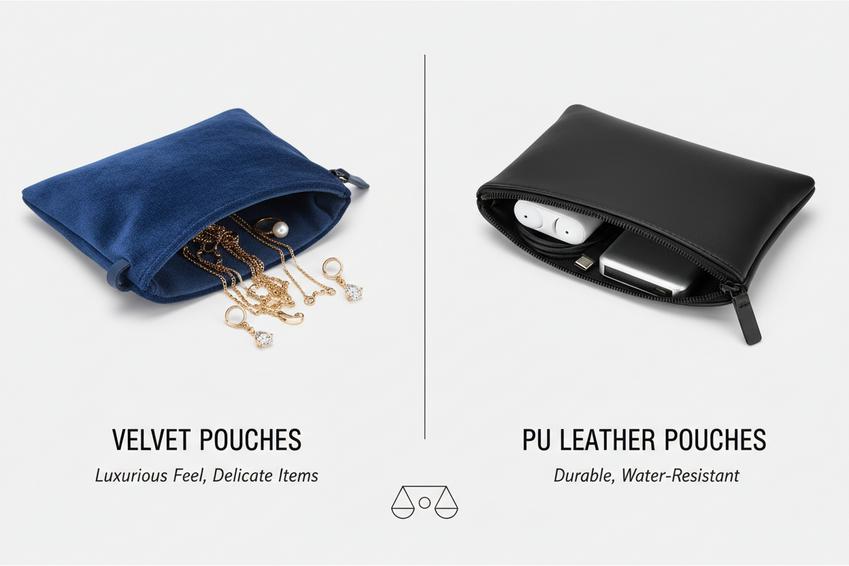
Velvet Pouches
When comparing types of pouches, velvet always sits in the premium lane.
- Material Feel
- Surface: soft texture with a luxurious feel
- Visual: deep tones that create an elegant appearance
- Protection Level
- Interior: natural plush lining effect
- Use Case: ideal for delicate items like jewelry or watches
- Brand Impact
- Logo finish: foil stamping or embroidery pops on fabric
- Perception: boosts gift value instantly
Among pouch material options, knowing what is velvet made of helps brands understand its durability and high-end appeal. Velvet works best when presentation matters as much as protection. It’s a go-to in high-end packaging programs, including custom lines developed by Topfeel.
Satin Pouches
In the world of types of pouches, satin stands out for shine and movement.
- Fabric Traits
- Touch: smooth surface and silky texture
- Look: soft glow with a lustrous sheen
- Weight & Handling
- Build: lightweight, easy to fold or store
- Function: ideal for jewelry packaging
- Presentation Value
- Style: enhances gift presentation
- Customization: supports embroidery and heat transfer
For brands exploring different pouch styles with elegance but less bulk, satin feels refined without being flashy. These are often used as accessory bags because they protect contents without adding weight.
PU Leather Pouches
Across modern types of pouches, PU leather answers the need for structure.
- Material Performance
- Core: durable material with water-resistant properties
- Care: easy to clean surface
- Ethical Appeal
- Positioning: smart vegan alternative
- Aesthetic: sharp, modern look
- Functional Build
- Structure: firm protective casing
- Add-ons: zippers, wrist straps, reinforced edges
Among pouch types designed for travel kits or tech organizers, PU leather balances style and daily practicality without the maintenance of real leather. Topfeel utilizes PU extensively for its makeup clutch collections due to its versatile finish.
Canvas Pouches
Looking at practical types of pouches, canvas feels grounded and reliable.
- Fabric Base
- Composition: natural fibers
- Texture: thick, sturdy fabric
- Everyday Comfort
- Airflow: naturally breathable
- Style: relaxed casual style
- Custom Potential
- Surface: highly customizable
- Purpose: built for everyday use and promotions
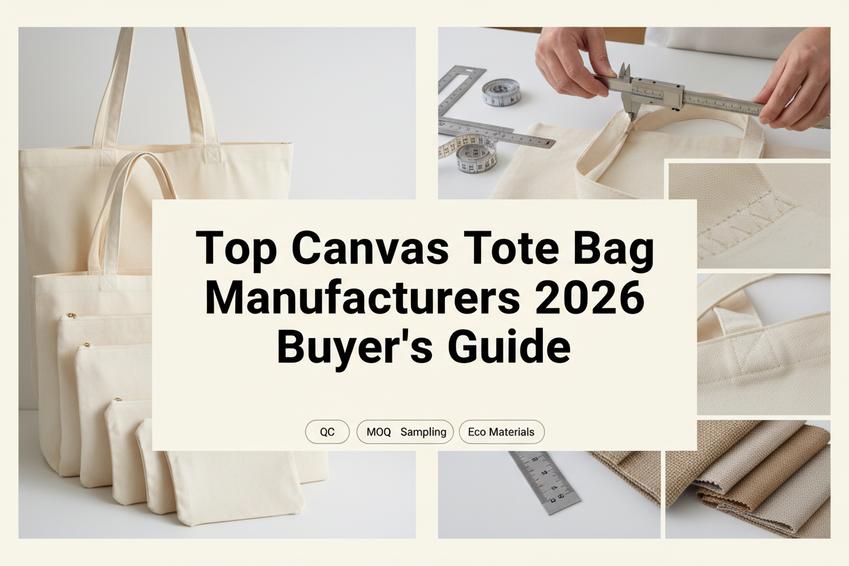
For brands that want eco-leaning pouch material options with a laid-back tone, canvas fits right in. Understanding what is canvas material made of helps retailers market these as sustainable, long-lasting alternatives to plastic.
Nylon Pouches
When performance matters most in types of pouches, nylon usually wins.
- Strength Profile
- Build: strong and resilient
- Durability: tear-resistant weave
- Weight Advantage
- Feel: lightweight yet durable
- Travel: packs flat, dries fast
- Functional Edge
- Maintenance: quick-drying
- Range: supports versatile applications, from cosmetics to outdoor gear
Among all pouch types, nylon covers the most ground. Brands like Topfeel often recommend it for travel collections where moisture resistance and portability really count. It is a staple for a high-quality toiletry bags that must withstand wet bathroom environments.
5 Popular Types Of Pouches For Retail Packaging
When brands compare different types of pouches, it’s not just about looks. Size, material, and vibe all count. Below are five practical pouch types that retailers love right now.
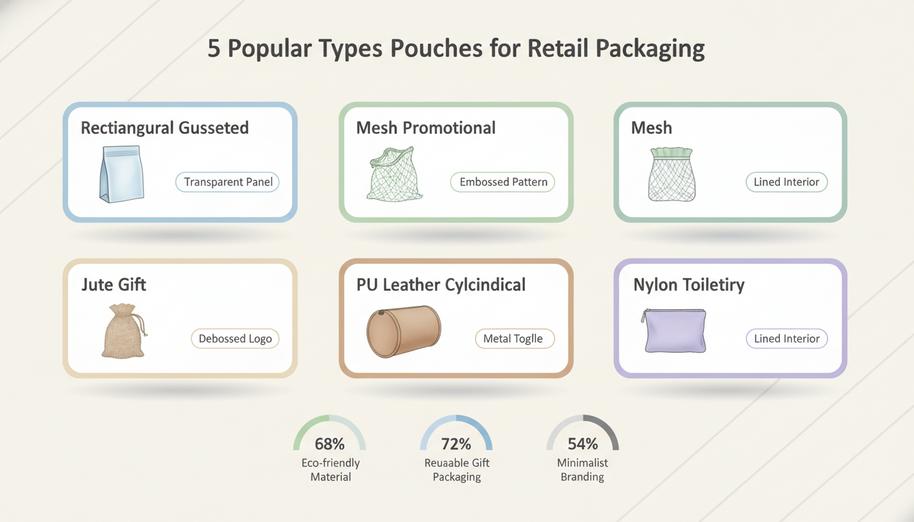
Rectangular Gusseted Pouches with Transparent Panel
Among common types of pouches, this one stands out for clean shelves and easy product display.
- Core Structure
- Rectangular body shape
- Maximizes stacking efficiency in Retail Packaging setups
- Fits neatly into display bins
- Gusseted Pouches base
- Expands capacity
- Supports heavier items without sagging
- Transparent Panel front window
- Boosts Product Display
- Builds trust through visible contents
- Rectangular body shape
- Functional Value in Flexible Packaging
- For accessories
- Jewelry
- Tech add-ons
- For promotional kits
- Sample packs
- Limited editions
- For accessories
- Retail Impact
- Clear visibility increases pickup rates.
- Structured sides reduce shelf mess.
For brands exploring practical types of pouches, this format feels modern and sales-driven without overcomplicating design. These are often used as handheld bags for boutique retail sets.
Mesh Promotional Pouches featuring Embossed Pattern
Some types of pouches are all about airflow and branding flair. This one mixes texture and visibility in a smart way.
- Mesh Pouches allow breathability.
- Raised Embossed Pattern adds tactile branding.
- Ideal for Promotional events and giveaways.
Quick wins for marketing teams:
- Light weight for bulk distribution.
- High Visibility of contents.
- Easy Customization with logo color swaps.
From gym samples to beach campaigns, these pouch styles support strong Branding while staying practical. If your goal is awareness, this is one of those pouch types that just works.
Jute Gift Packaging with Debossed Logo Placement
Eco-driven types of pouches keep gaining traction, and Jute sits right at the front.
- Material Advantages
- Natural Material appeal
- Reusable structure
- Strong stitching for durability
- Branding Technique
- Debossed Logo finish
- Subtle texture
- Premium Feel without flashy ink
- Deep Personalization options
- Debossed Logo finish
- Market Preference Data
| Feature | Consumer Preference (%) | Retail Adoption Rate (%) |
|---|---|---|
| Eco-friendly Material | 68 | 61 |
| Reusable Gift Packaging | 72 | 65 |
| Minimalist Branding | 54 | 49 |
Sustainability-focused Gift Packaging isn’t a trend anymore; it’s expected. Many buyers now shortlist jute fabric material based on environmental impact alone, choosing it over synthetic alternatives.
PU Leather Cylindrical Accessory Holders with Metal Toggle
Premium pouch types deserve a clear process. Here’s how this one comes together:
- Shape the Cylindrical body using reinforced PU Leather.
- Insert inner lining for structured Storage and Organization.
- Attach polished Metal Toggle hardware.
- Finish edges for a clean, Stylish look.
These Accessory Holders feel upscale but stay practical. Travel brands often compare this with other types of pouches when targeting executive kits or corporate gifting. Topfeel creates these as specialized wrist bags for quick, stylish access.
Nylon Toiletry Bags with Zipper and Lined Interior
Travel-friendly types of pouches need durability. This one delivers through layered construction.
- Outer Layer
- Tough Nylon shell
- Water-resistant surface
- Closure System
- Smooth Zipper Closure
- Reinforced stitching ends
- Interior Design
- Wipeable Lined Interior
- Compartments for neat Organization
For brands like Topfeel, selecting the right types of pouches often comes down to balancing function and style. In travel retail, these Toiletry Bags stay popular because they’re practical, easy to clean, and built for everyday chaos.
Flat Vs. Stand-Up Pouches: Key Differences
When comparing different types of pouches, small design tweaks change everything. From slim retail packs to shelf-ready formats, knowing the right pouch types helps brands avoid costly mistakes and stand out fast.
Flat Pouches
Flat formats sit at the practical end of types of pouches, built for simplicity and tight storage. In many pouch packaging types, this design wins on cost and compactness.
- Core sealing styles
- Three-side seal
- Sealed on three edges, filled from one side
- Ideal for single-use snacks or sample sachets
- Four-side seal
- Extra edge strength
- Cleaner rectangular finish for medical or cosmetic units
- Pillow pouch
- Center back seal
- Common in candy and small hardware packs
- Three-side seal
- Structural variations
- Flat bottom look without full gusset expansion
- Lightweight retort pouch options for heat-processed foods
- Slim profile compared to a gusseted bag
- Why brands pick this among all types of pouches
- Lower material use
- Easy stacking in cartons
- Clean tear-notch or zipper add-ons
Topfeel often recommends flat pouch types for startups testing new SKUs. Less bulk. Less risk. Straight to market. These often feature screen print process branding for a clean, sharp look.
Stand-Up Pouches
Among modern types of pouches, this one grabs attention fast. Built with a bottom gusset, it forms a self-standing base that keeps products upright and visible.
- Structural build
- Base styles
- Classic doypack curve
- Reinforced oval bottom
- Add-on features
- Zipper closure for reseal
- Spout pouch for liquids
- Euro slot or hang hole for peg display
- Base styles
- Functional edge over flat pouch packaging types
- Holds higher volume
- Better billboard space for graphics
- Stronger shelf impact
According to Smithers’ flexible packaging market outlook, stand-up formats continue to outpace other pouch types in retail growth, driven by convenience and reseal demand.
- Practical comparison inside the wider types of pouches market
- Flat pouch → compact, cost-focused
- Stand-up pouch → visibility, premium feel
Topfeel positions its stand-up types of pouches for brands aiming at retail shelves where presence equals sales. Different builds. Different goals. Same mission: packaging that works hard without overcomplicating things.
Streamline Shipping: Tear-Notch Pouch Types Benefits
Shipping feels way less stressful when you actually understand the types of pouches available. From basic flat styles to heavy-duty sacks, each option solves a different packing headache. In this guide, we break down practical pouch types, real-life uses, and why choosing the right types of pouch packaging can seriously smooth out storage, display, and delivery.
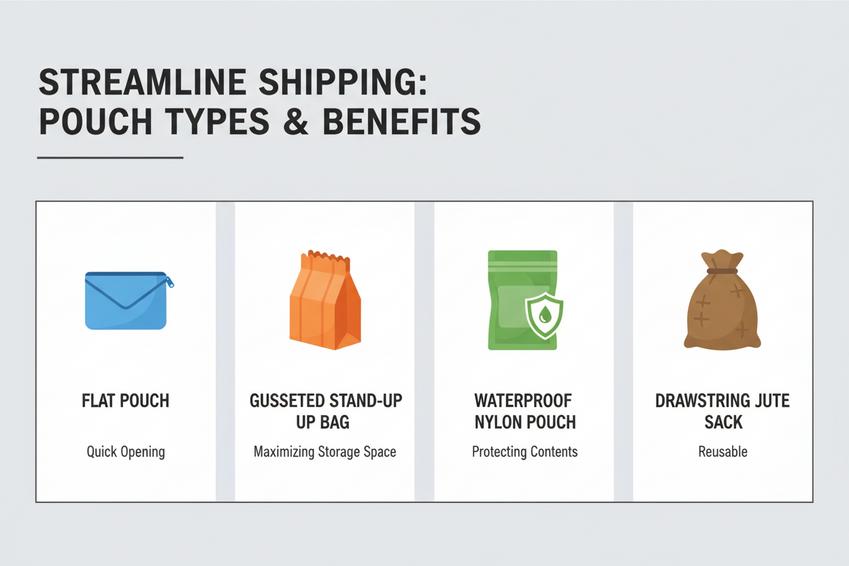
Flat Pouch with Tear-Notch for Quick Opening
When speed matters, flat pouch designs are often the go-to among common types of pouches.
- Clean edges
- Slim profile
- Easy stacking
At the core of this style:
- Structure
- Single-layer or laminated packaging
- Compact seal lines
- Opening Feature
- Pre-cut tear-notch
- Enables quick opening
- Improves user access
- Pre-cut tear-notch
- User Benefit
- Boosts everyday convenience
- Reduces tool dependency
For brands shipping samples or single-use items, these pouch packaging types keep fulfillment simple. Topfeel refines the sealing strength while keeping that smooth tear action intact.
Among all types of pouches, this one works best when lightweight shipping and no-fuss access are top priorities. It’s straightforward, and that’s the point.
Gusseted Stand-Up Bags Maximizing Storage Space
If you’re comparing types of pouches for shelf appeal and bulk capacity, the gusseted bag stands out. According to Association for Packaging and Processing Technologies (PMMI), the trend toward flexible gusseted formats is largely due to their reduced carbon footprint in transport.
Core build features:
- Expandable side or bottom gusset
- Reinforced base for stability
- Upright stand-up pouch profile
Performance breakdown:
| Feature | Flat Pouch | Gusseted Bag | Rigid Box |
|---|---|---|---|
| Average Capacity (ml) | 250 | 750 | 800 |
| Shelf Stability Score (1–5) | 2 | 5 | 5 |
| Storage Space Efficiency (%) | 60 | 85 | 70 |
| Shipping Weight (g) | 12 | 18 | 95 |
Why it works so well:
- Storage Space Optimization
- Expands outward
- Increases usable capacity
- Retail Impact
- Strong shelf presence
- Clear product display
- Logistics
- Folds flat before filling
- Maintains stacking stability
Among modern pouch types, this format balances branding and practicality. Many growing brands, including Topfeel, prioritize this structure when upgrading from basic packaging to smarter cosmetic bags systems.
Waterproof Nylon Tear-Notch Pouches Protecting Contents
Outdoor gear, electronics parts, travel kits—these need serious defense. That’s where waterproof pouch designs step in. High-performance polymers like polypropylene (PP) are often used as inner barriers for these types.
Main protection layers:
- Material Base
- High-density nylon pouch
- Flexible yet tough
- Barrier System
- Built-in moisture barrier
- Sealed seams for content protection
- Opening Detail
- Precision tear-notch
- Smooth access
- No ripping damage
- Precision tear-notch
Why businesses choose this style:
- Handles rough transit
- Supports outdoor use
- Extends product durability
Among premium types of pouches, waterproof nylon options solve moisture risks without adding bulk. For brands shipping across humid or coastal regions, these pouch packaging types reduce returns and complaints. That’s real savings.
Drawstring Jute Sacks with Reinforced Stitching
Eco-minded packaging is gaining traction across many types of pouch packaging. The drawstring sack made from jute bag material hits that sweet spot between sustainability and strength. Research by Textile Exchange highlights that natural fibers like jute have significantly lower lifecycle impacts compared to virgin synthetics.
Construction layers:
- Outer Fabric
- Thick natural material
- Breathable weave
- Closure System
- Double-cord drawstring
- Tight, secure seal
- Structural Strength
- Reinforced stitching
- Prevents seam splits
- Extends reusable life
- Reinforced stitching
Use cases include:
- Premium gift packaging
- Bulk grain or coffee storage solution
- Event giveaways
Unlike synthetic pouch types, jute offers texture and authenticity. Within the broader types of pouches, this option appeals to brands that want a down-to-earth vibe without sacrificing shipping reliability.
Across all types of pouches, smart selection shapes cost control, shelf impact, and customer satisfaction. Choosing the right pouch types isn’t overthinking—it’s just good business.
Keep Cosmetics Safe: Custom Cosmetic Pouch Types
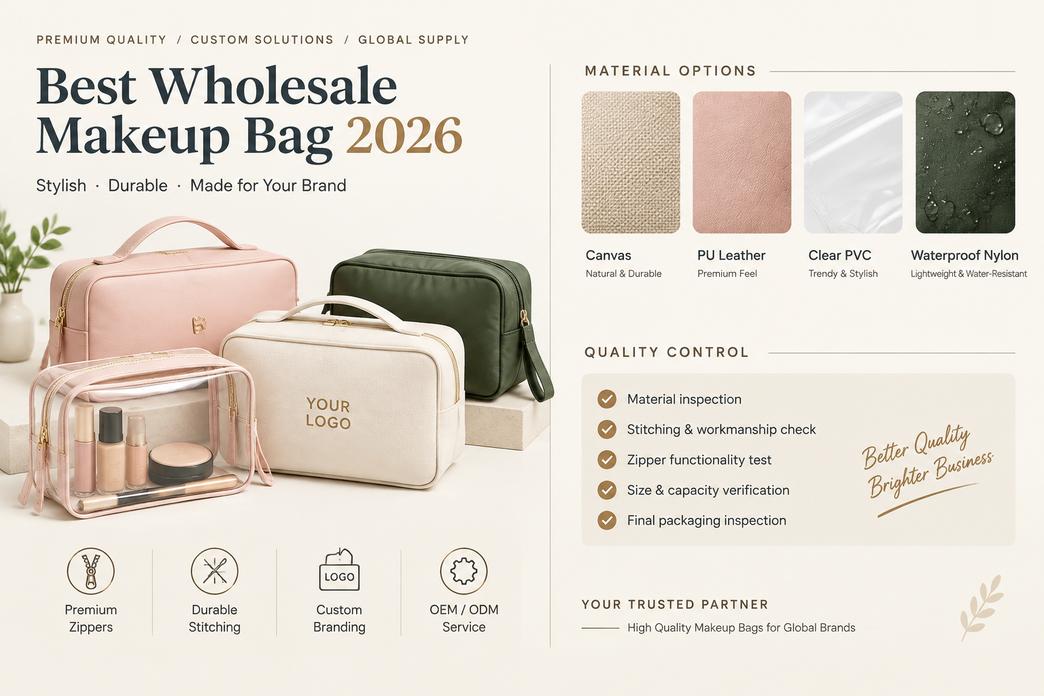
Choosing the right types of pouches keeps beauty gear safe, neat, and ready to roll. From everyday glam kits to gift-ready packaging, smart pouch types make storage simple and stylish without the usual mess.
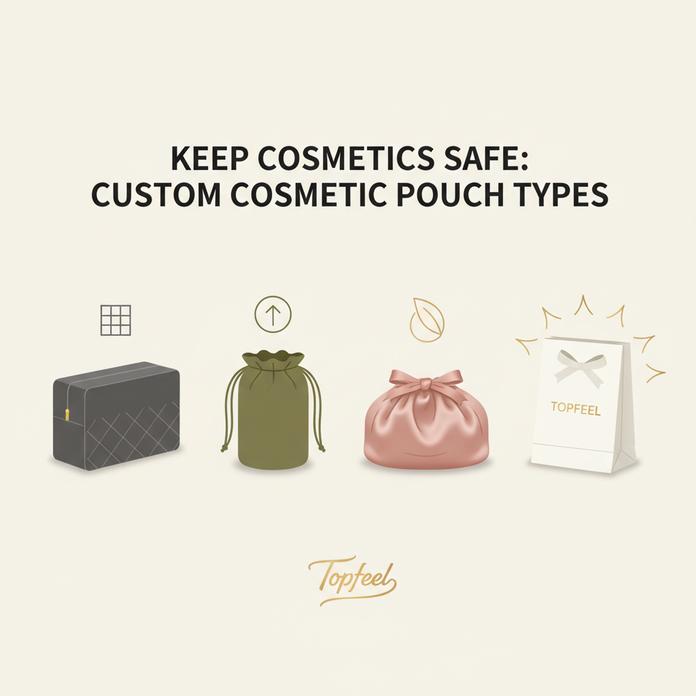
Makeup Organizer Pouches with Padded Compartments
Among the most practical types of pouches, the makeup organizer stands out for daily routines and pro setups. Pro makeup artists, as noted by Beautylish, often require structured kits to maintain sanitation and tool integrity.
- Core Function
- Impact resistance through padded compartments
- Structured internal dividers for clean cosmetic storage
- Smooth zipper system on every makeup bag
- Interior Layout
- Base layer for palettes and foundation bottles
- Elastic slots for brushes and liners
- Mesh pockets for slim beauty essentials
- Why it works
- Reduces breakage
- Keeps powders from cracking
- Speeds up morning routines
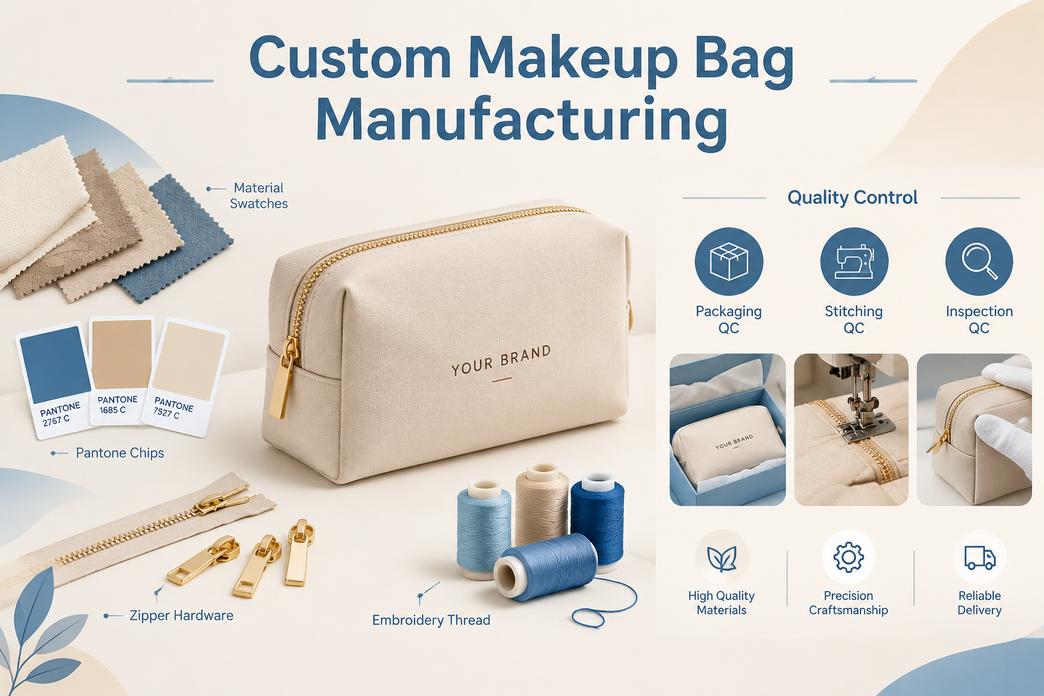
For brands exploring different pouch styles, this option balances protection and polish. Topfeel refines these types of pouches with reinforced stitching and tested padding density, making daily packing feel less chaotic and more controlled. They are essential components of high-end train cases.
Travel Kit Cylindrical Pouches featuring Magnetic Closures
When it comes to travel-ready types of pouches, a cylindrical pouch offers compact efficiency. According to Travel + Leisure, organization is the #1 priority for frequent travelers when selecting accessories.
- Design Highlights
- Rounded body fits snugly in luggage
- Quiet magnetic closures replace noisy zippers
- Firm base keeps the cosmetic case upright
- On-the-Go Performance
- ✔ Quick open-and-close access
- ✔ Reliable secure closure
- ✔ Smart storage for travel accessories
Below is a quick material comparison used in premium travel kit production:
| Material Type | Thickness (mm) | Closure Strength (N) | Avg. Weight (g) |
|---|---|---|---|
| PU Leather | 1.2 | 18 | 120 |
| Nylon | 0.8 | 15 | 95 |
| Polyester | 1.0 | 16 | 105 |
| Satin Blend | 0.7 | 14 | 90 |
These pouch types blend form and function, and Topfeel fine-tunes magnet alignment for smoother handling.
Accessory Holders in Satin with Embroidery Details
Soft-touch accessory holders represent elegant types of pouches built for delicate storage. Brands often choose these to avoid the abrasiveness of what is woven fabric which can sometimes snag fine jewelry.
- Material Focus
- Premium satin material
- Fine-thread embroidery details
- Optional custom embroidery
- Ideal Uses
- Small jewelry pouch for rings and chains
- Storage of delicate items
- Event giveaways with elegant design
Short and sweet: smooth fabric, light padding, polished branding. These pouch types feel personal, almost gift-like on their own.
Gift Packaging Bags with Screen Printing and Custom Tag
Gift-ready types of pouches play a big role in brand storytelling. As reported by Forbes, personalized packaging creates a “unboxing experience” that boosts social media visibility.
- Branding Layers
- Base gift packaging fabric
- High-definition screen printing
- Attached custom tag
- Presentation Strategy
- Choose color aligned with campaign theme
- Add logo through screen printing
- Insert product into branded pouch
- Finish with a personalized gift note
For promotional drops and retail launches, these pouch types boost product presentation and turn simple promotional items into memorable keepsakes. Clean print, crisp stitching, and thoughtful tags make the difference. These can be easily categorized as drawstring bags for a classic gifting look.
FAQs about Types Of Pouches
What are the most popular types of pouches for cosmetic brands?
For beauty packaging, choice signals personality and price level. Popular combinations include:
- Velvet drawstring – soft, romantic, ideal for gift packaging.
- Satin flat pouch with zipper – sleek for makeup organizers.
- PU leather cylindrical bag with magnetic closure – structured travel kit appeal.
- Canvas rectangular pouch with snap button – casual, eco-leaning look.
- Nylon gusseted toiletry bag – waterproof, practical for daily use.
Shape and texture—boxy, mini, or gusseted pouch—often decide how the product feels in hand before it’s even opened. These are frequently used as brush bags to keep kits hygienic.
How do materials influence durability and cost?
Material choice quietly shapes both lifespan and budget. The International Trade Centre (ITC) notes that balancing material cost with perceived value is the central challenge for global exporters.
- PU Leather / Nylon
- Waterproof
- Padded or lined interior options
- Higher unit price, longer use cycle
- Canvas / Jute
- Breathable, natural texture
- Works well with screen printing or debossing
- Moderate durability
- Velvet / Satin / Mesh
- Strong visual impact
- Best for accessory holder or promotional item
- More delicate under heavy weight
The tension lies between elegance and endurance.
Which closures work best for different pouch uses?
Closures affect both security and mood. Packaging Digest highlights that user-friendly closures like zippers and sliders significantly improve consumer satisfaction in flexible packaging.
- Zipper: tight seal for a toiletry bag with multiple compartments.
- Drawstring: relaxed style for gift packaging or mini velvet sacks.
- Magnetic closure or flap: clean lines for PU leather makeup organizers.
- Snap button or toggle: adds character to rectangular or boxy canvas styles.
A weak closure can ruin trust; reinforced stitching around stress points keeps that from happening.
What customization options make a pouch stand out on retail shelves?
A pouch becomes memorable through detail. The American Marketing Association (AMA) emphasizes that sensory branding—touch and sight—is vital in high-competition retail environments.
Shortlist of high-impact upgrades:
- Embroidery on textured fabric like velvet
- Debossing on PU leather
- Digital printing on nylon or mesh
- Screen printing on canvas
- Custom tag with thoughtful logo placement
Pair these with a balanced color palette, subtle pattern, and refined hardware finish. Small embellishments often tip a customer from browsing to buying.
Are gusseted pouches better than flat pouches for shipping and display?
Both serve different pressures in packaging strategy. According to Packaging Strategies, the choice often depends on the “cube efficiency” required for e-commerce versus brick-and-mortar.
| Type | Storage Capacity | Display Effect | Best Use |
|---|---|---|---|
| Flat Pouch | Compact | Slim, simple | Samples, mini accessories |
| Gusseted Pouch | Expandable | Stands upright | Travel kit, makeup organizer |
Gusseted designs create presence on shelves. Flat pouches save space and shipping cost. The decision rests on how much drama—or efficiency—you want your packaging to deliver.
References
- Market Reports on Packaging – smithers.com
- Sustainable Packaging Insights – pmmi.org
- Material Lifecycle and Sustainability – textileexchange.org
- Makeup Kit Organization Tips – beautylish.com
- Travel Accessories Guide – travelandleisure.com
- The Power of Unboxing Experiences – forbes.com
- Global Trade and Packaging Standards – intracen.org
- Flexible Packaging Trends – packagingdigest.com
- Retail Branding and Sensory Marketing – ama.org
- E-commerce Packaging Efficiency – packagingstrategies.com
- Plastic Materials in Packaging – plasticseurope.org
- Natural Fiber Characteristics – fao.org
- Sustainable Retail Trends 2025 – mckinsey.com


.png)



4th-5th Floor, Building B2, Yin Tian Industrial Park, Xi Xiang Road, Bao'an Dist, Shenzhen, 518102 ,China